
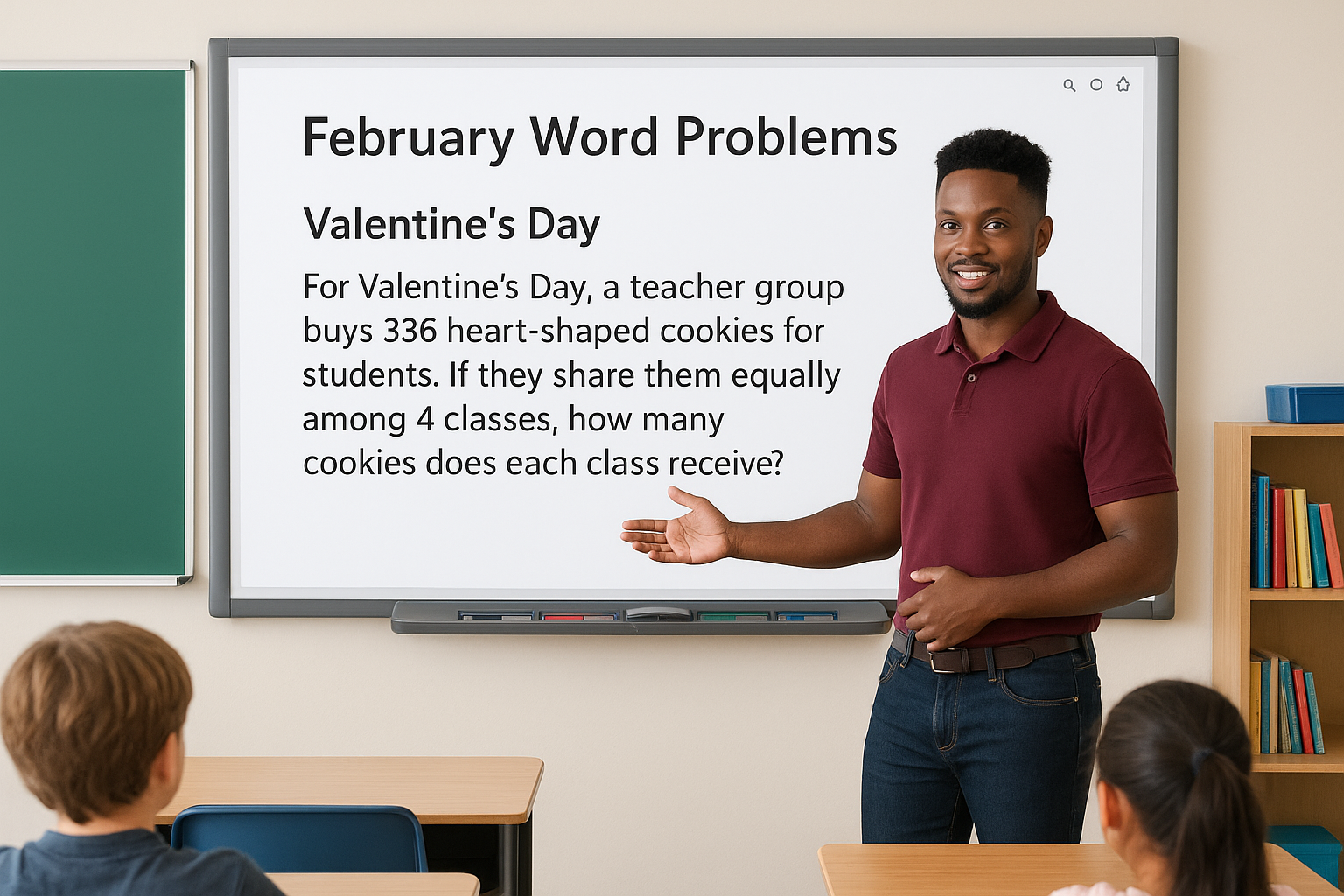
February-themed word problems are a great way to bring the spirit of the month into your math lessons. From Valentine’s Day to Black History Month themes, February offers many meaningful, real-world contexts for problem-solving. Let’s explore how these themes can boost your students’ skills and excitement for math this month!
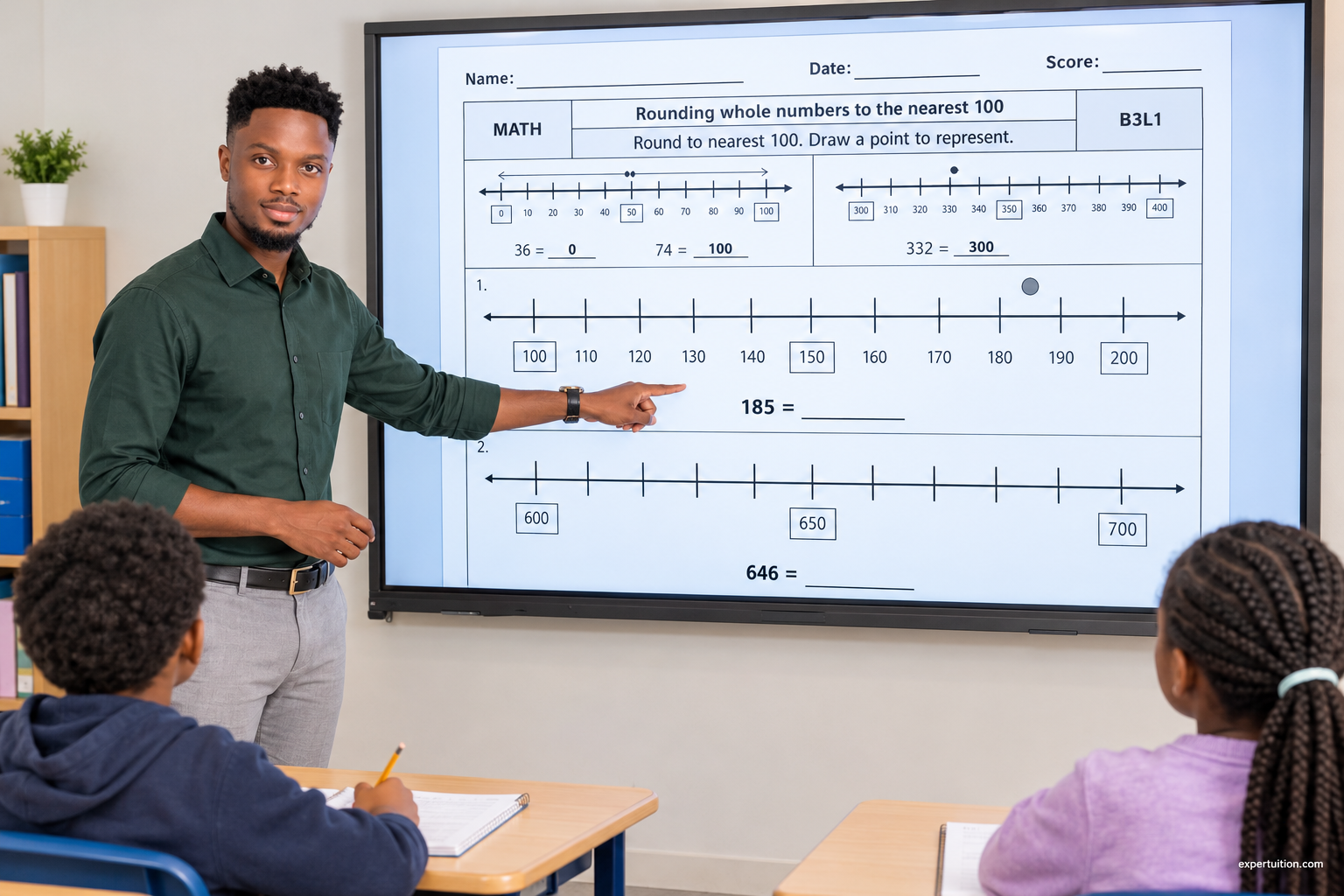
Why does 347 round to 300 rather than 400? Teaching rounding means helping students understand the place-value reasoning behind the answer, not just memorizing a rule. Learn how to teach rounding in Grades 3–5 using number lines, worked examples, and practical classroom activities that address common student errors.
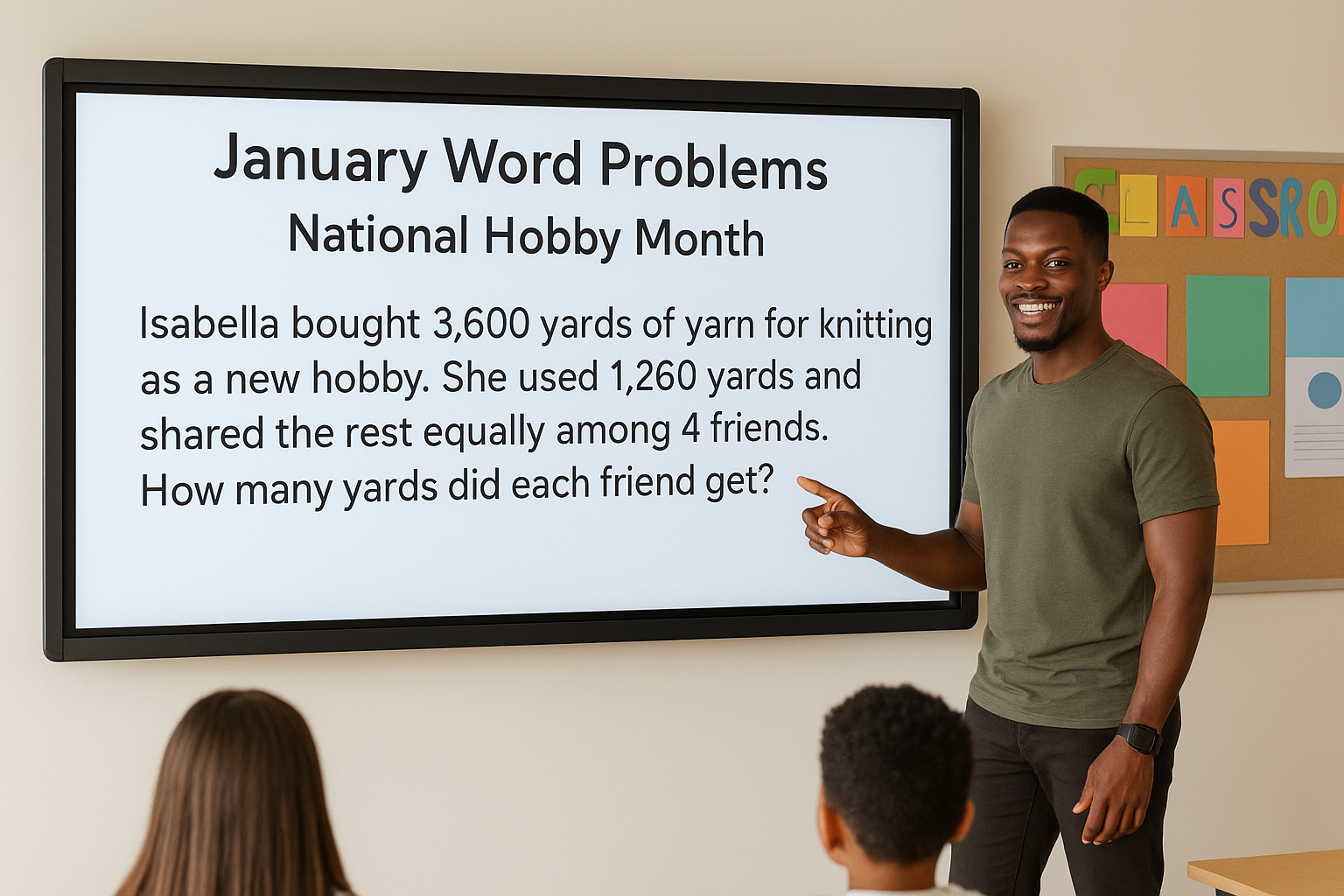
January-themed word problems are a great way to bring the energy of new beginnings into your math lessons. From New Year celebrations to National Hobby Month, January offers plenty of engaging, real-world contexts for problem-solving. Let’s explore how these word problem themes can motivate your students and strengthen their math skills this month!

Learn how to teach comparing and ordering whole numbers in Grades 3–5 using place-value strategies, worked examples, number lines, and classroom activities. Find practical ways to address common student errors, differentiate practice, and help students explain their reasoning when comparing and ordering numbers.
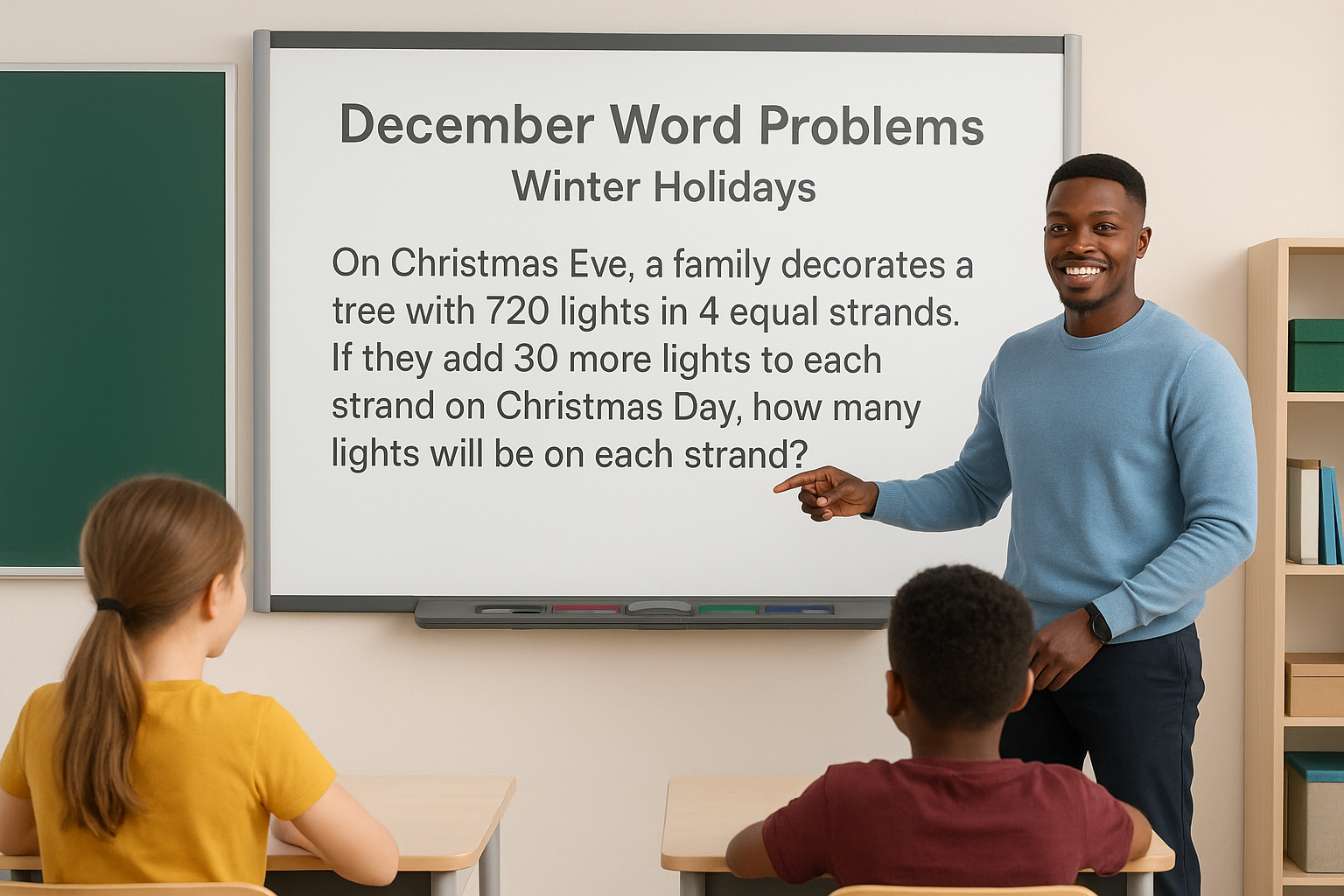
Monthly-themed word problems are a great way to bring the spirit of the season into your math lessons. From Winter Break and Holiday Foods to Winter Sports, December offers plenty of meaningful, real-world contexts for problem-solving. Let’s explore how these fun and educational word problem themes can boost your students’ skills and excitement for math this month!
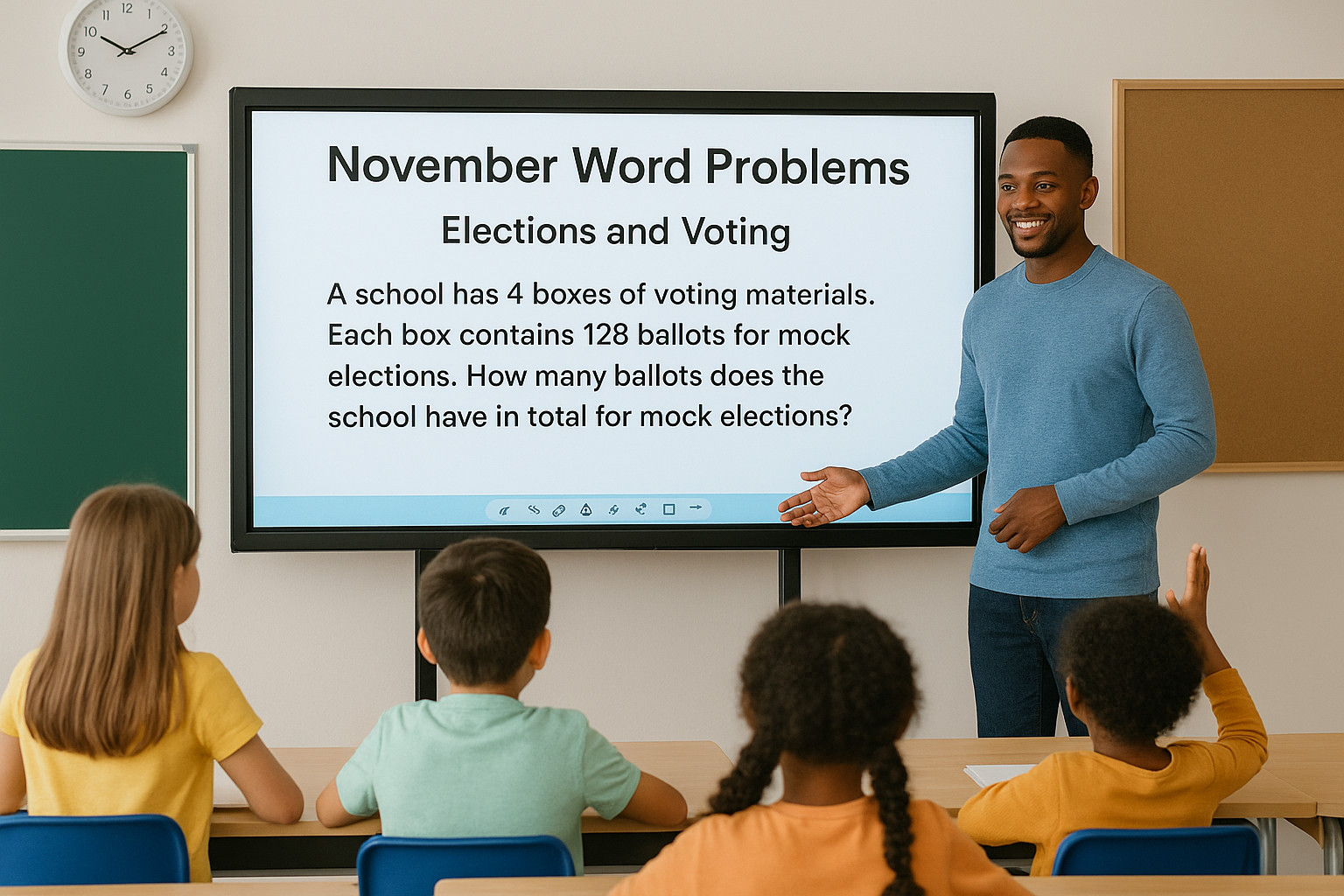
Monthly-themed word problems are a great way to bring the spirit of the season into your math lessons. From Elections and Veterans Day to Thanksgiving, November offers plenty of meaningful, real-world contexts for problem-solving. Let’s explore how these fun and educational word problem themes can boost your students’ skills and excitement for math this month!
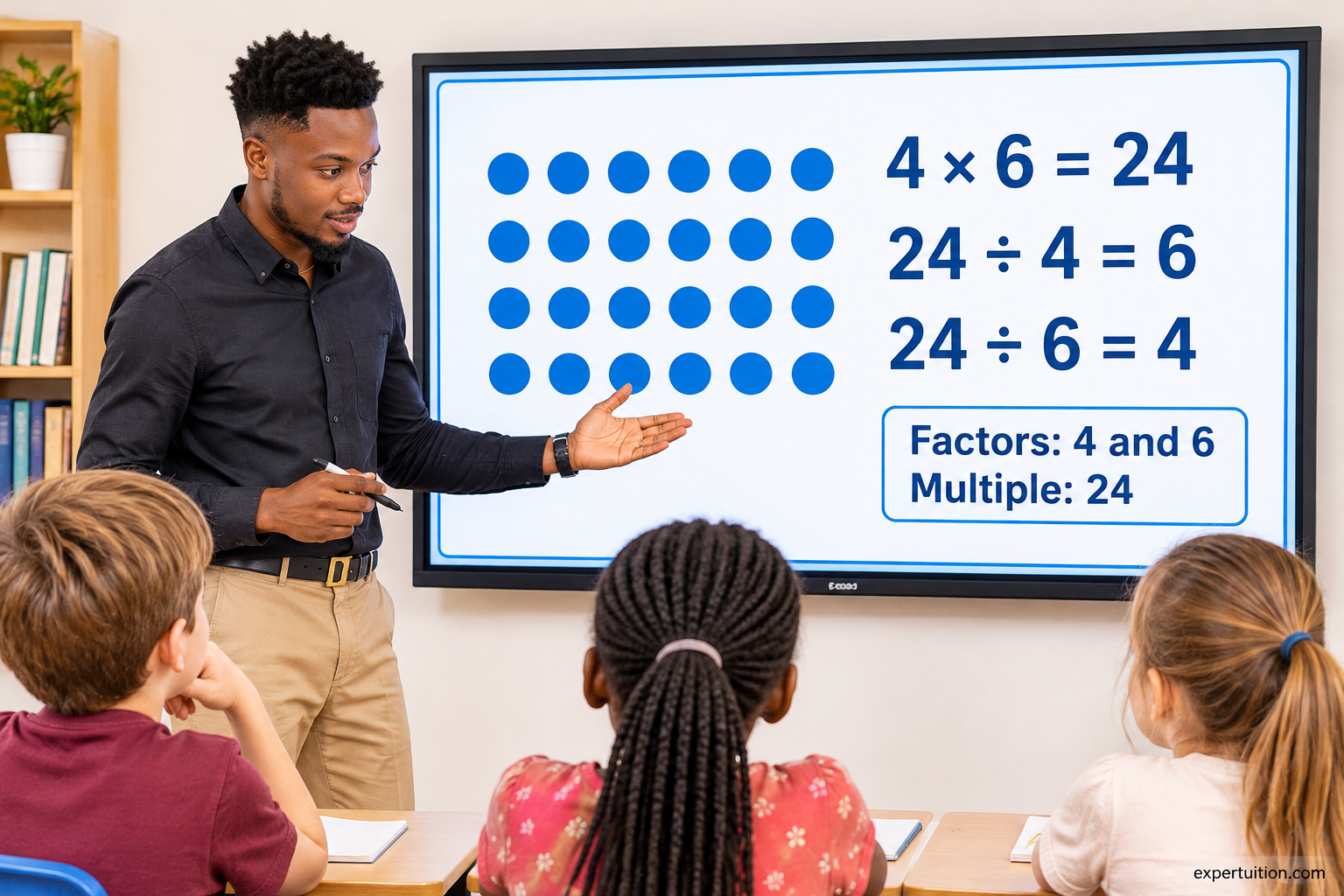
Help students build a strong understanding of factors, multiples, prime numbers, and composite numbers through a clear sequence of instruction. Learn how to use equal groups, arrays, factor pairs, and multiplication patterns to introduce these concepts, address common difficulties, guide practice, and develop students’ mathematical reasoning.

Number and shape patterns are more than simple sequences; they are the foundation of mathematical thinking. In this post, we’ll explore how to teach number and shape patterns effectively in upper elementary grades, with strategies, examples, and ready-to-use classroom tools to support student success.
Multiplicative comparisons help students understand how quantities relate through multiplication. This post covers multiplicative comparison concepts, teaching tips, and comparison resources like worksheets and task cards to boost student confidence and fluency. Let’s dive in and set your students up for math success!

Monthly themed word problems are a great way to integrate seasonal themes into your classroom while helping your students practice one-step and multi-step word problems. Are you ready to make your math lessons more engaging with real-world problems? Let’s explore some fun and educational word problem themes for the months!
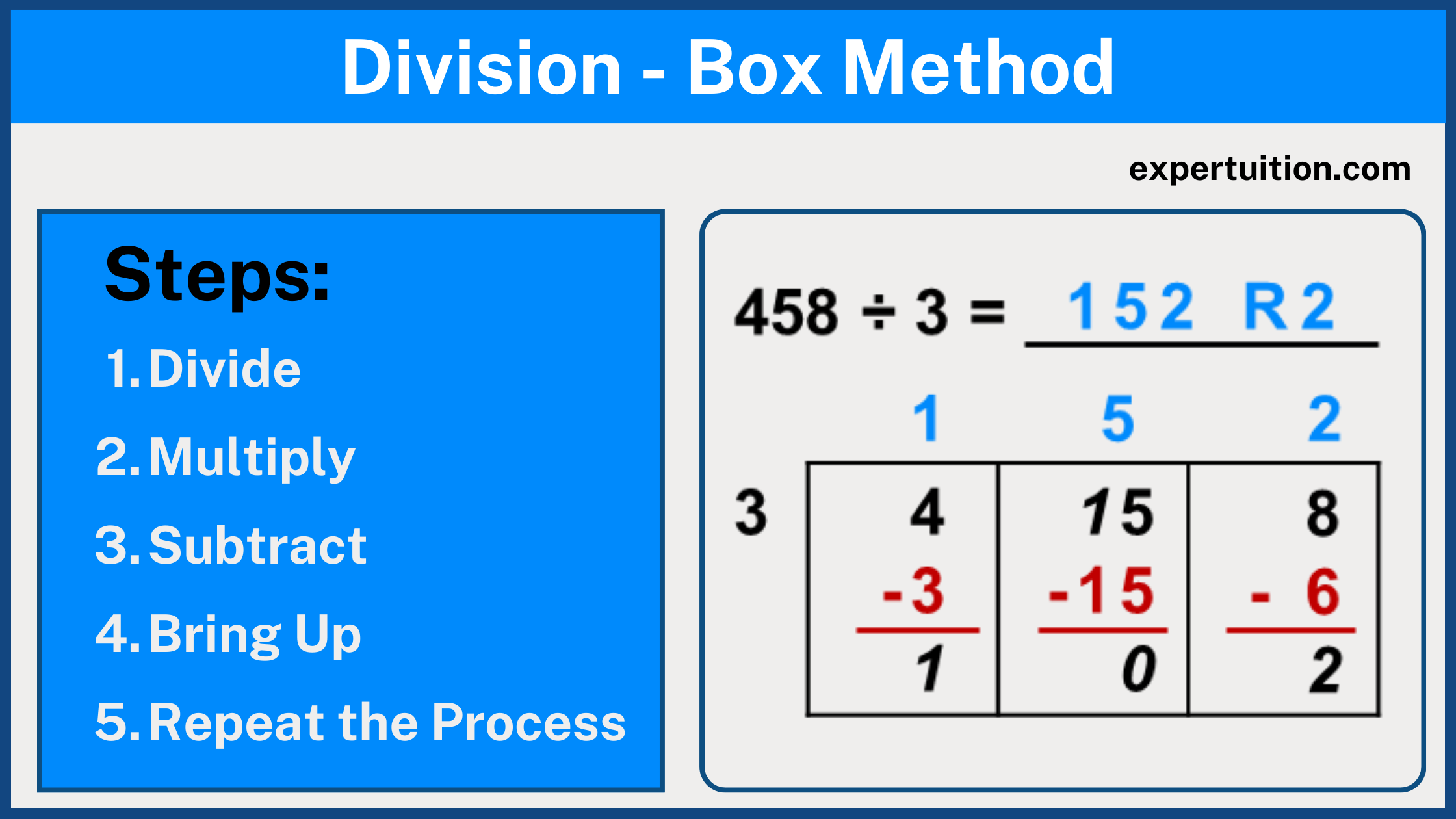
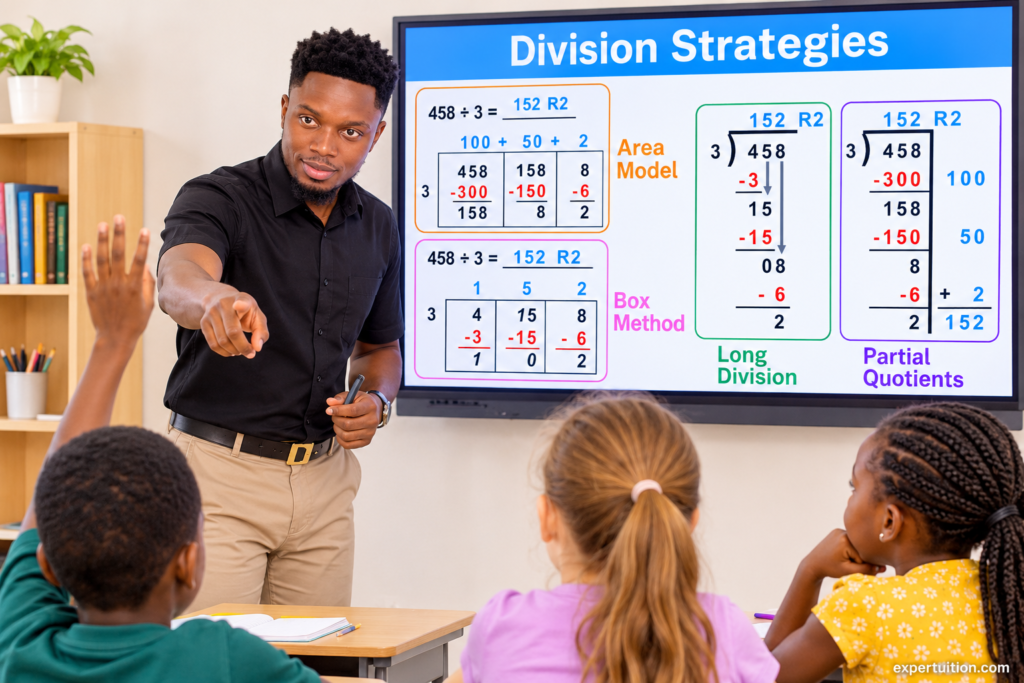
Learn how the Box Method division strategy combines the visual representation of area model division with the step-by-step calculation process of traditional long division. Work through examples with 1-digit and 2-digit divisors, including how to bring up remainders, keep quotient digits in the correct place-value positions, and check your answers.

Learn how the area model division method works through step-by-step examples with 1-digit and 2-digit divisors. See how to break the dividend into smaller sections, use multiplication to find the amounts to subtract, and combine partial quotients to find the quotient. The article also explains how to handle remainders and check division answers.

Learn how the traditional long division method works through step-by-step examples with one- and two-digit divisors. Understand each stage of the process, including quotient placement, bringing down digits, handling remainders, and checking division answers.
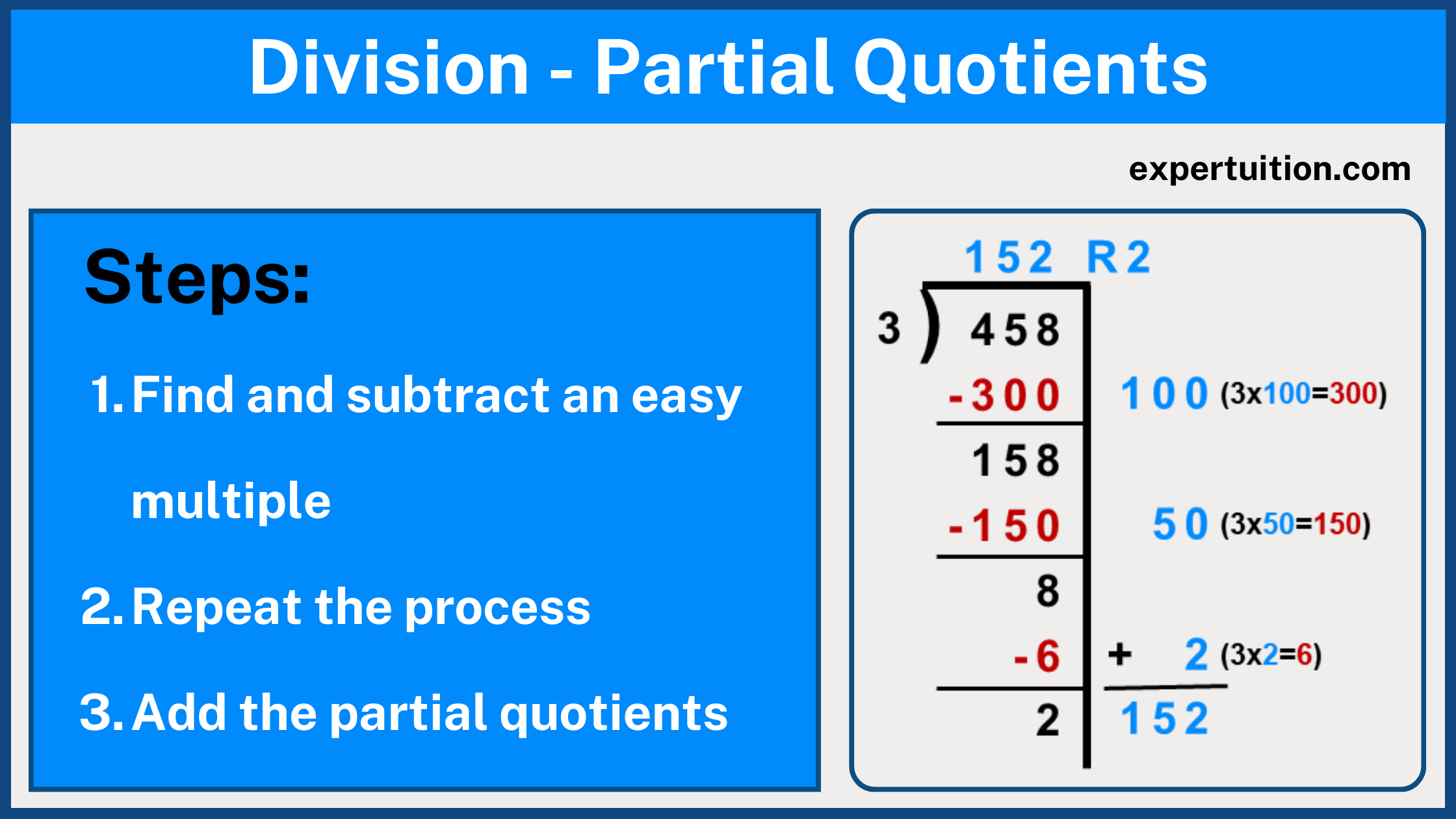
Learn how the partial quotients division method works through step-by-step examples with 1-digit and 2-digit divisors. Find out how to choose multiples of the divisor, subtract from the dividend, and combine partial quotients to find the quotient. The article also explains how to handle remainders and check division answers.
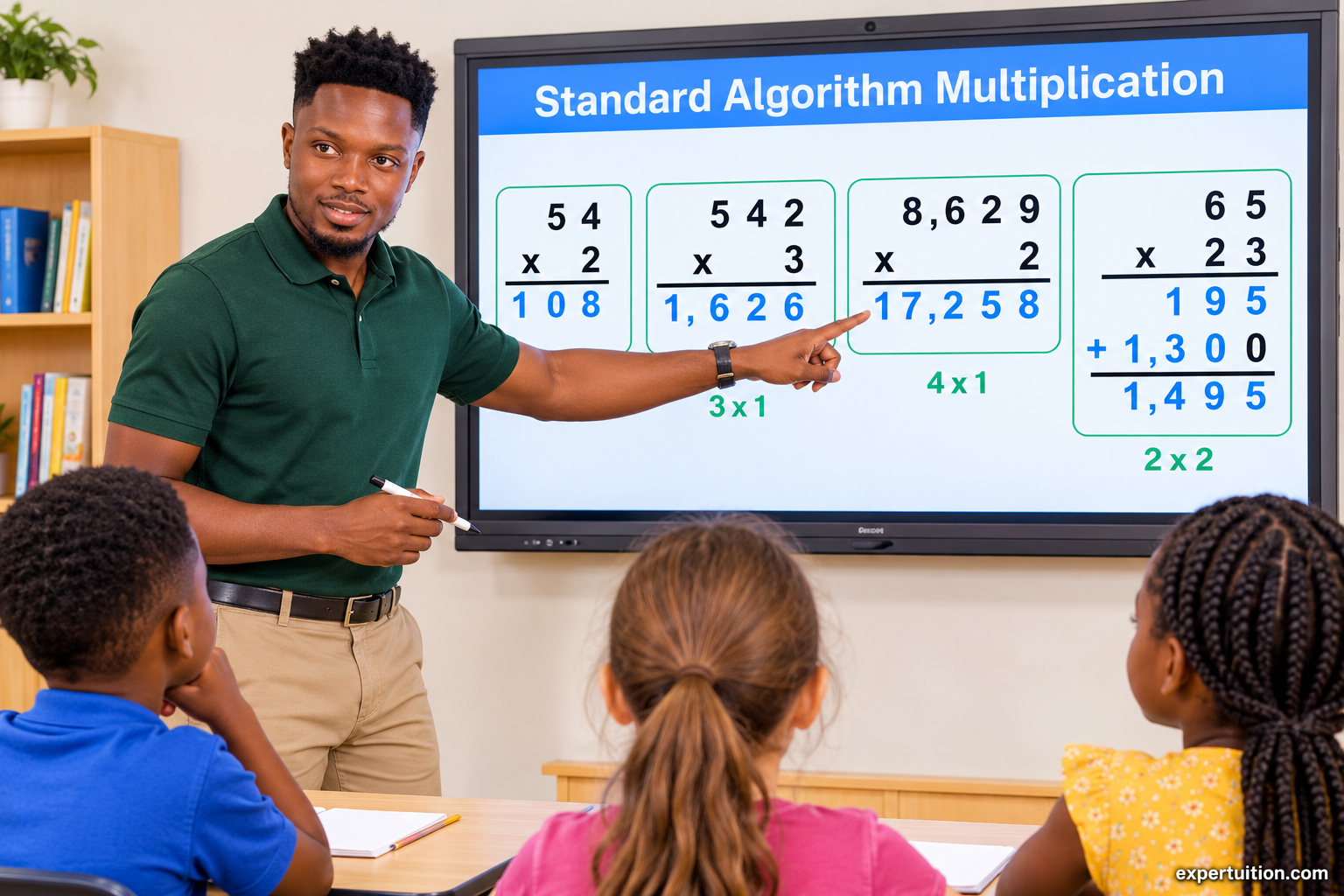
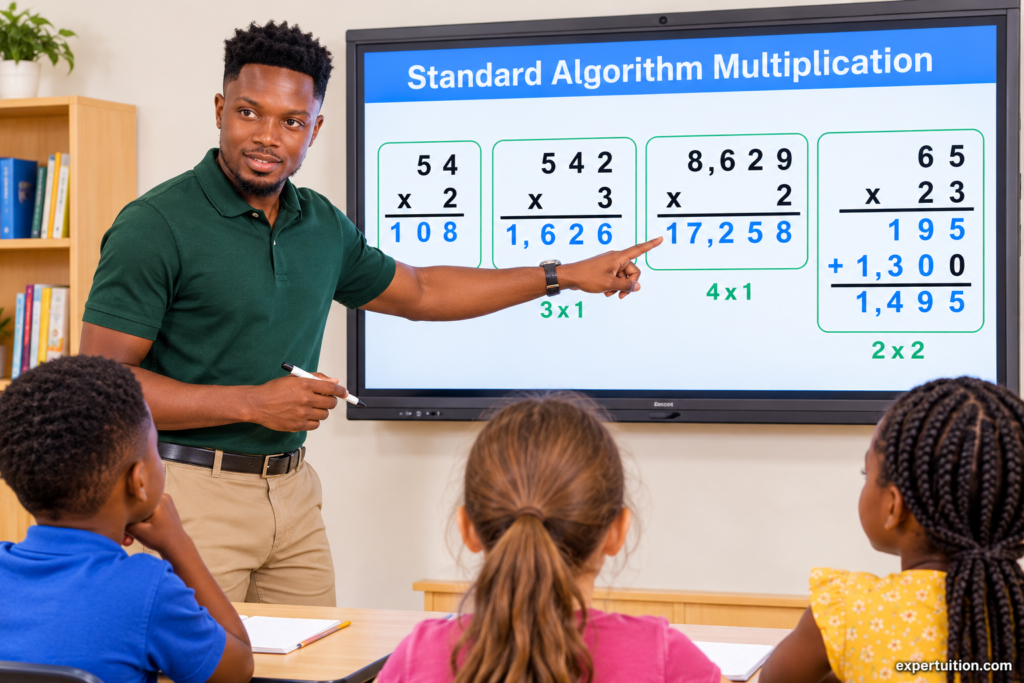
Learn how the standard algorithm for multiplication works using place value, regrouping, and partial products. Follow three worked examples, understand why the method works, and learn to avoid common multiplication errors.
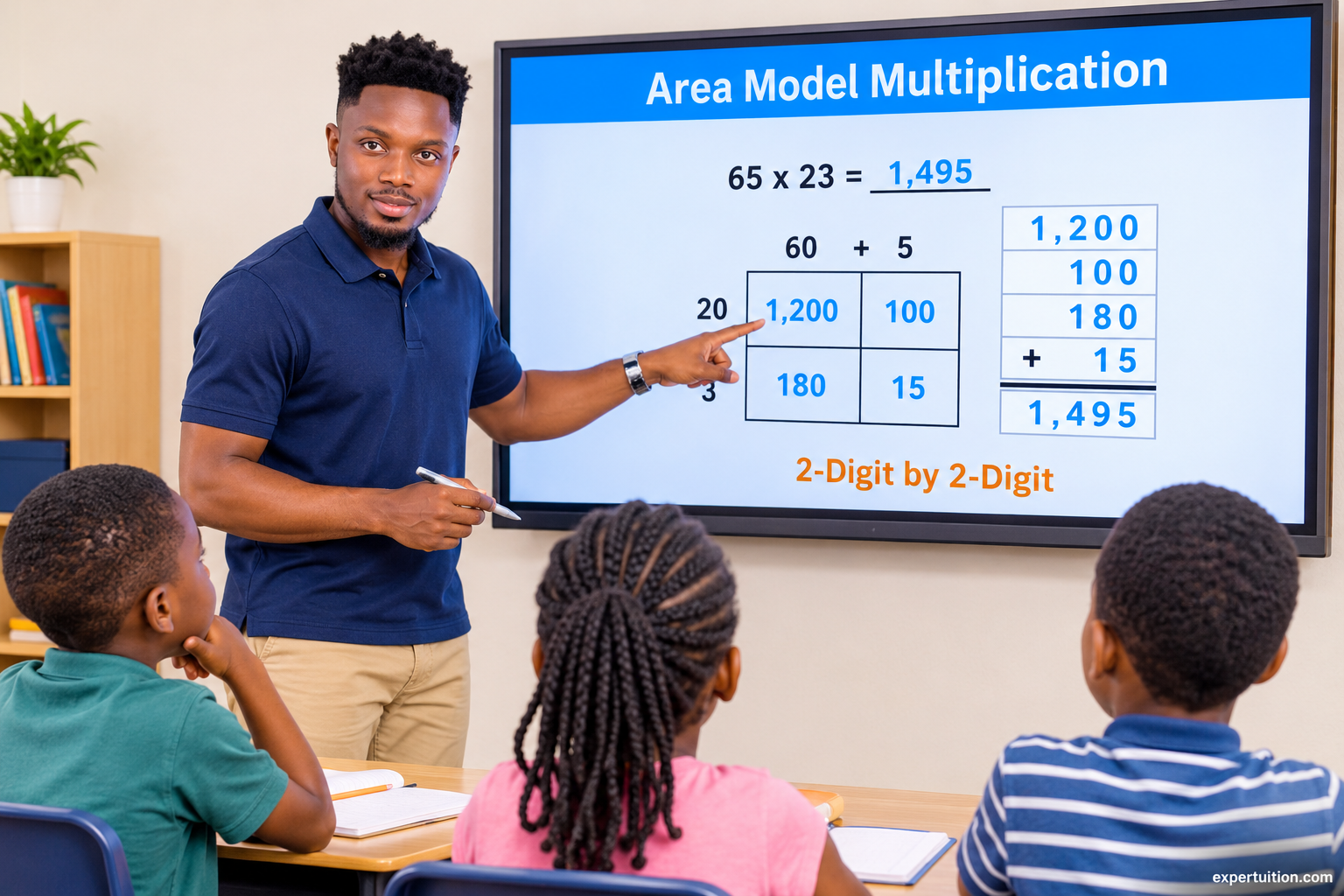
Learn how the area model multiplication method works, from breaking apart factors and finding partial products to understanding why the method gives the correct answer. Explore step-by-step examples, common errors, and ways to address them.
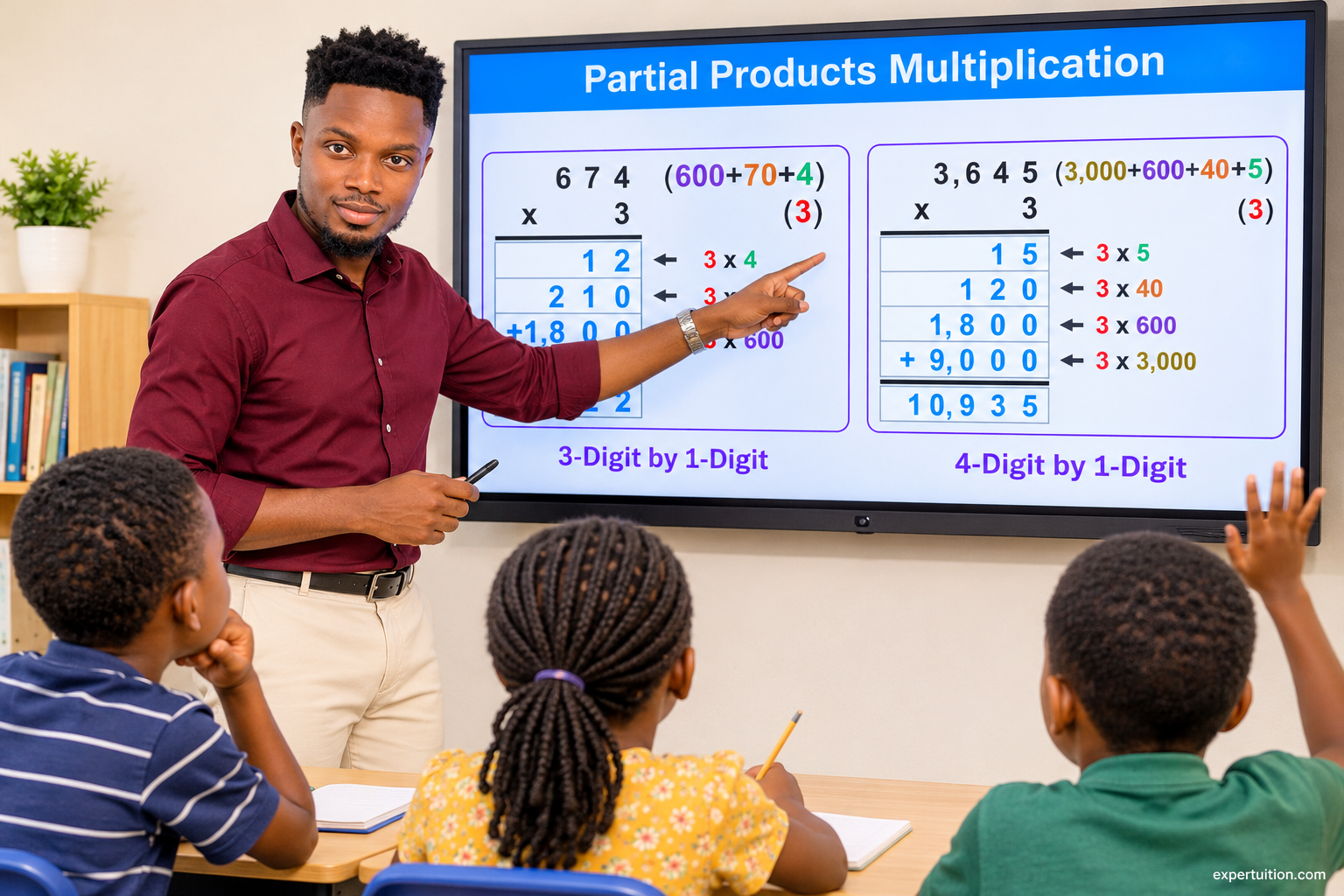
Learn how the partial products multiplication method works through place-value decomposition and the distributive property. Explore worked examples with different factor combinations, along with common errors and how to correct them.
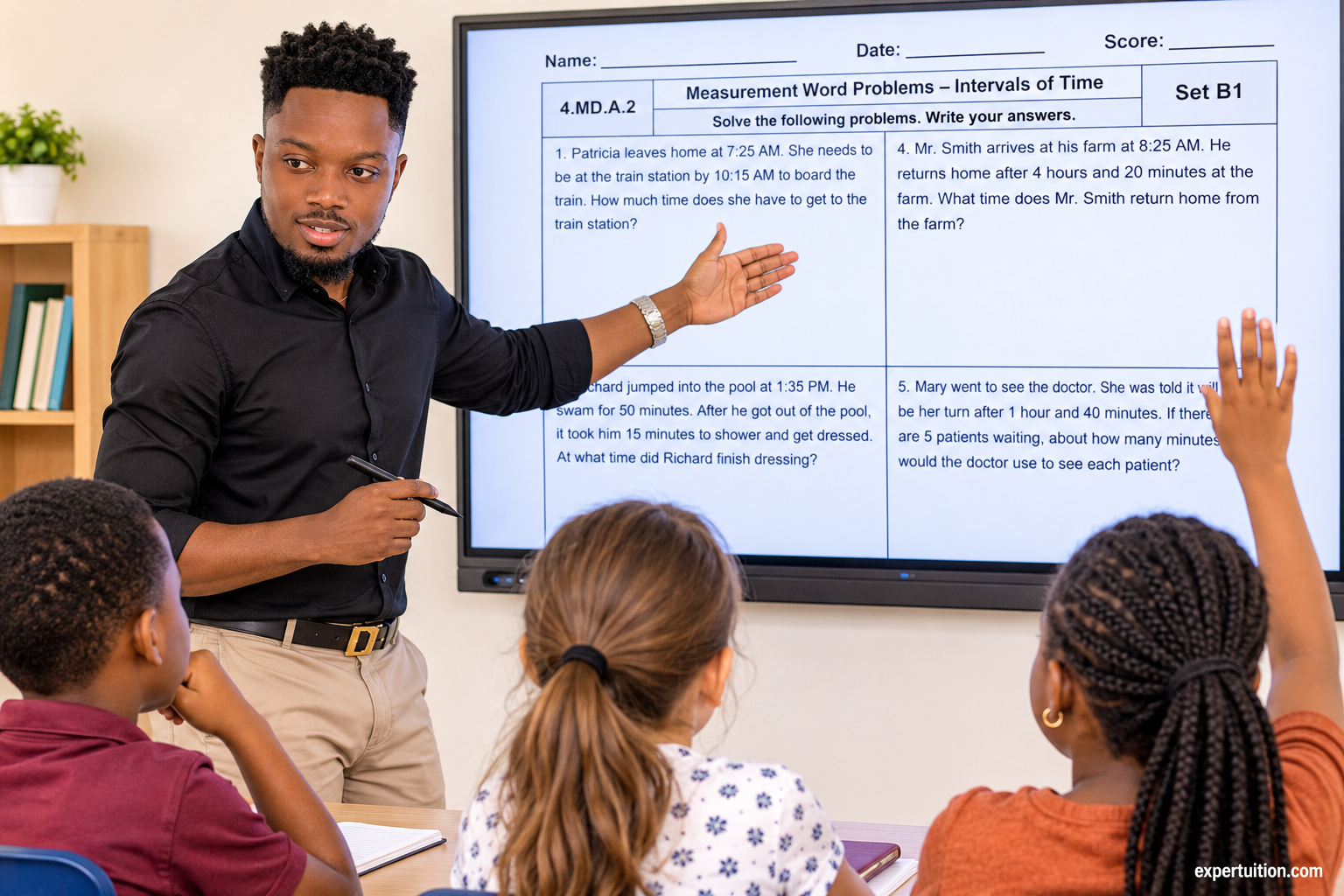
Learn how to solve Grade 4 measurement word problems with 11 worked examples covering length and distance, time intervals, liquid volume, mass and weight, and money. Follow a five-step approach to identify the information, choose the correct operations, and solve each problem.

Learn how to convert customary and metric units of measurement in Grade 4. Explore conversion relationships for length, liquid volume, mass, and time, with clear examples showing when to multiply or divide. Includes measurement conversion worksheets and task cards for classroom practice.

Welcome to the fascinating world of number forms! In this article, we will explore three common ways of writing numbers: standard form, word form, and expanded form. Get ready to dive into a world of number forms where you'll discover how to transform digits into words and break down numbers into their special parts.