

TRENDING POST



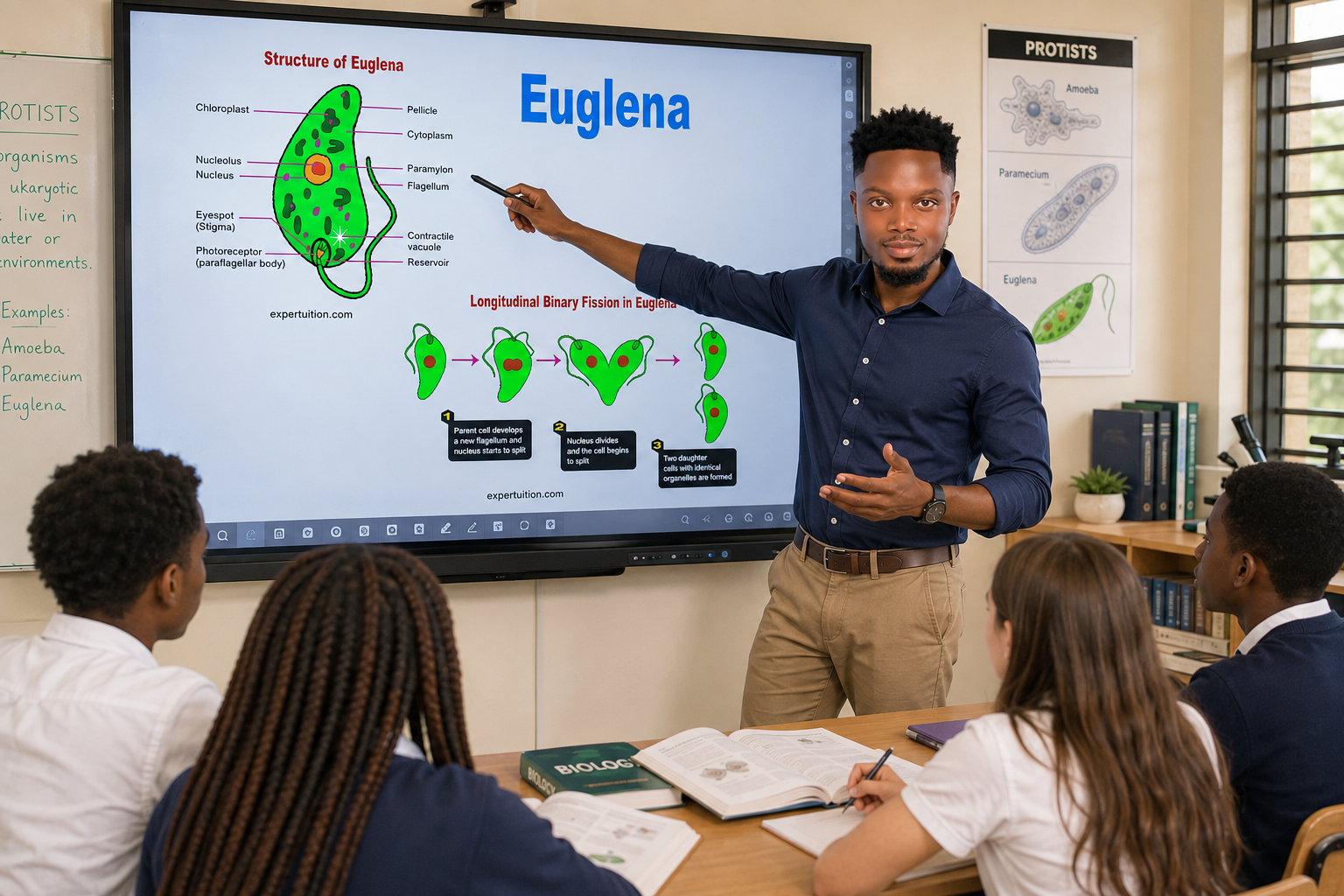
Euglena is a unicellular protist with an unusual combination of characteristics. It contains chlorophyll and can carry out photosynthesis, yet some Euglena can also obtain organic nutrients when light is limited. Its flagellum, eyespot, flexible pellicle, and other specialized structures allow the cell to move, respond to light, and survive changing environmental conditions.

Protists are mostly single-celled organisms with many different structures and ways of carrying out life processes. Amoeba, Paramecium, and Euglena provide useful examples of how one cell can move, obtain food, reproduce, respond to its surroundings, and carry out other activities needed for life.
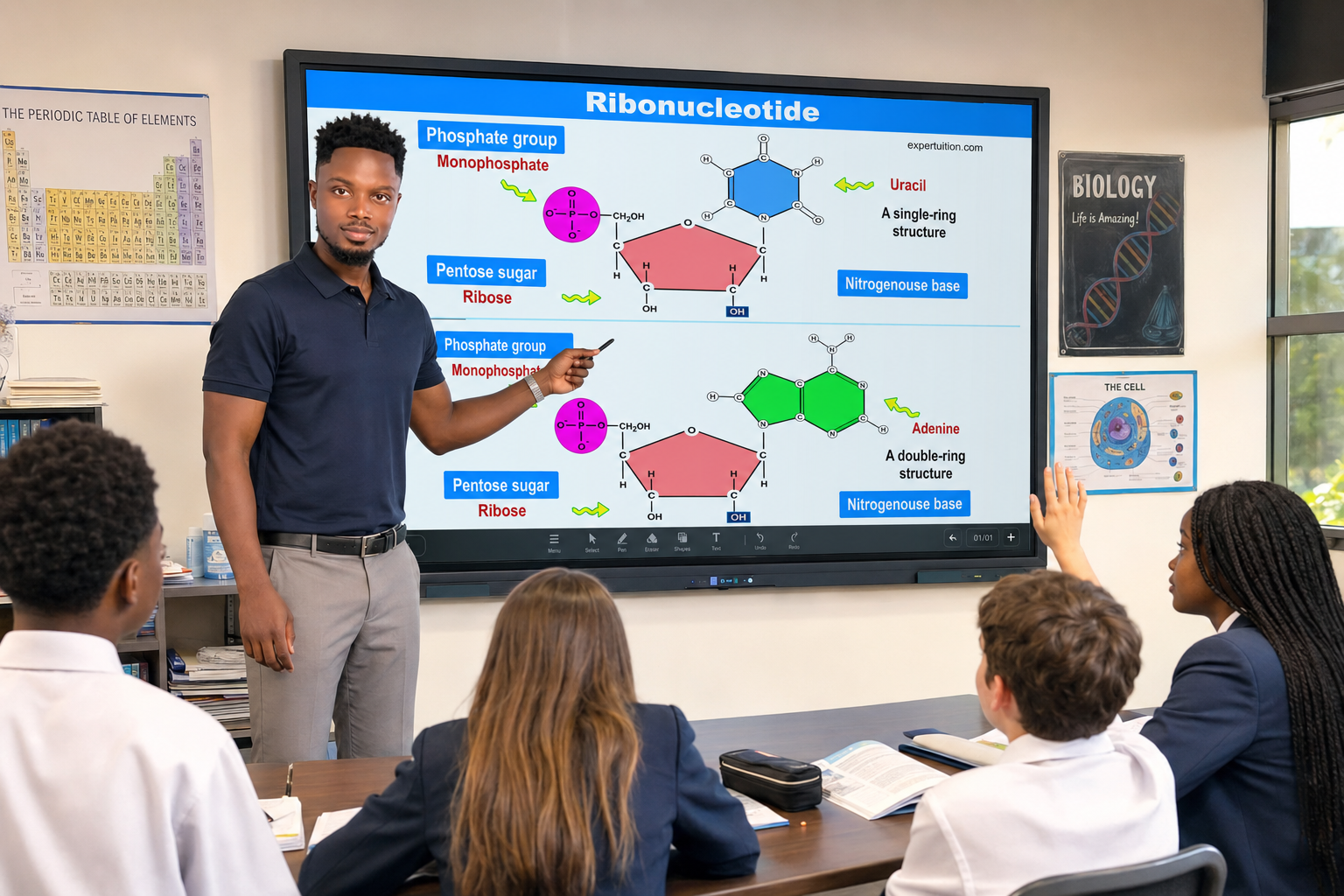
DNA stores genetic information, but the information stored in DNA must be used by the cell. RNA plays an important role in this process, and its different forms help carry information and support the production of proteins.

DNA is the molecule that stores the genetic information a cell needs to produce proteins. But DNA is more than a long chain of genetic information; it has a carefully organized structure, and that structure allows a large amount of DNA to fit inside a cell.

Nucleic acids are important biological molecules that contain genetic information and help cells carry out their functions. DNA and RNA are the two main types of nucleic acids, and understanding how they are built helps us understand how they differ and what roles they play.
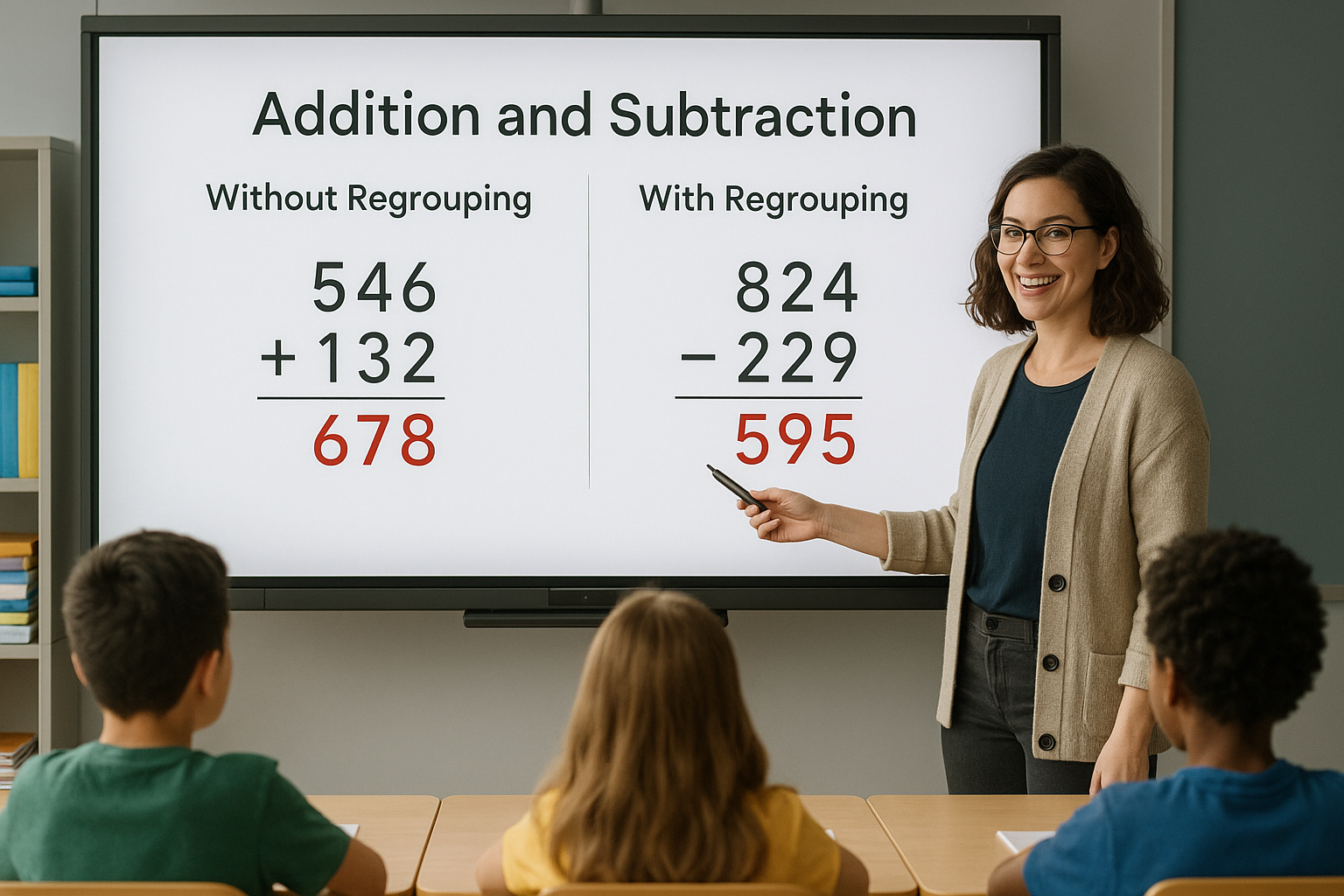
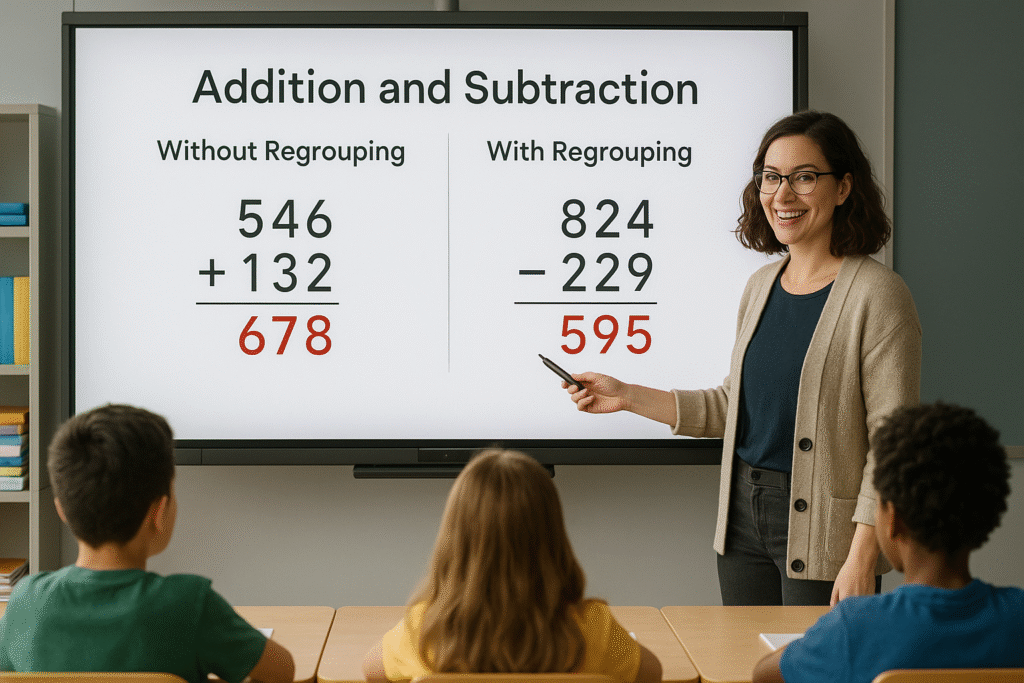
Addition and subtraction are two of the most essential skills students develop in elementary math. In this post, we’ll explore step-by-step strategies, scaffolded practice ideas, and ready-to-use classroom resources that can help your students confidently add and subtract multi-digit whole numbers with and without regrouping.
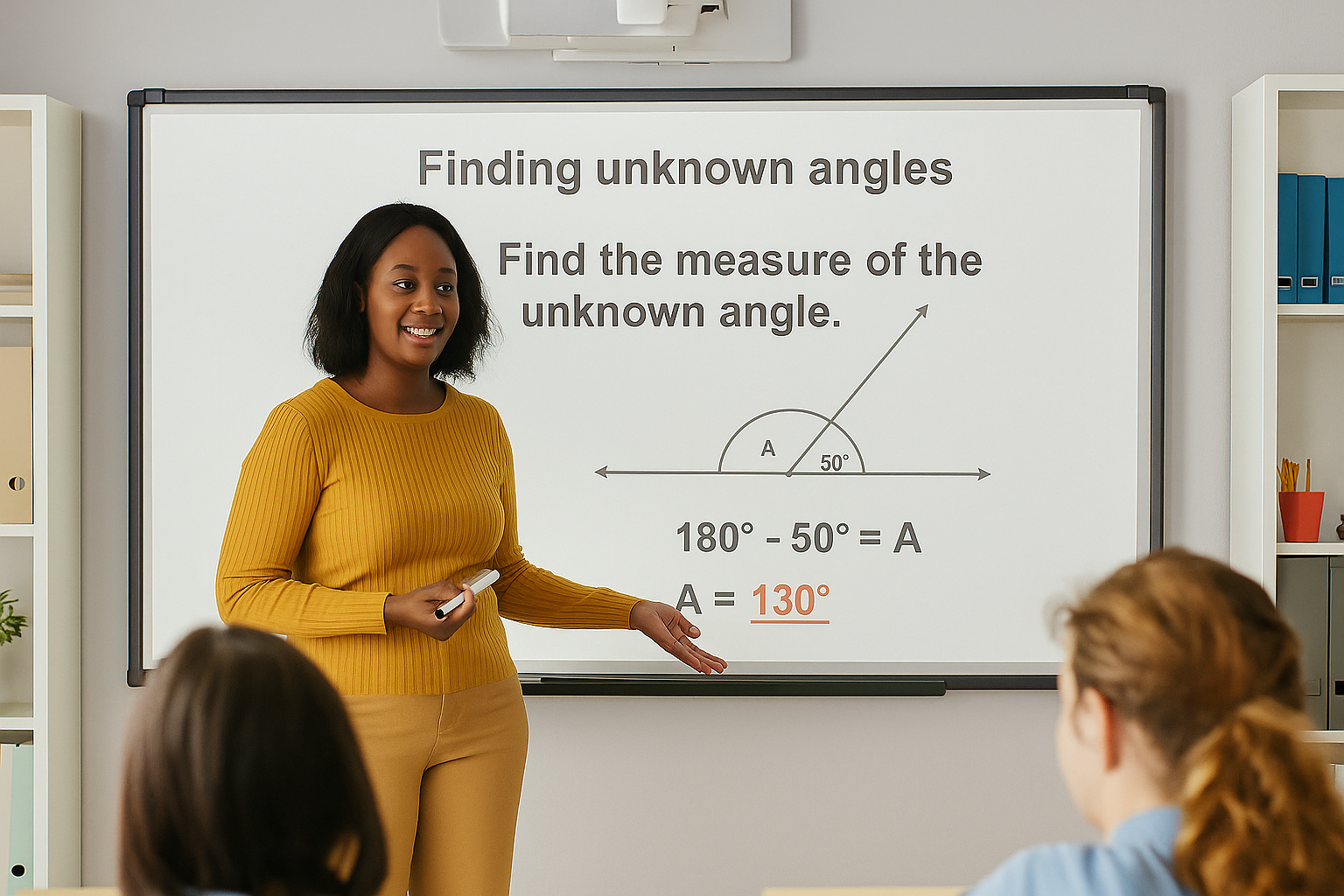
Additive angles are more than just another geometry concept; they’re a powerful way to help students connect measurement, reasoning, and problem-solving. In this post, we’ll explore how to teach additive angles effectively, with hands-on strategies and ready-to-use classroom resources for practice.
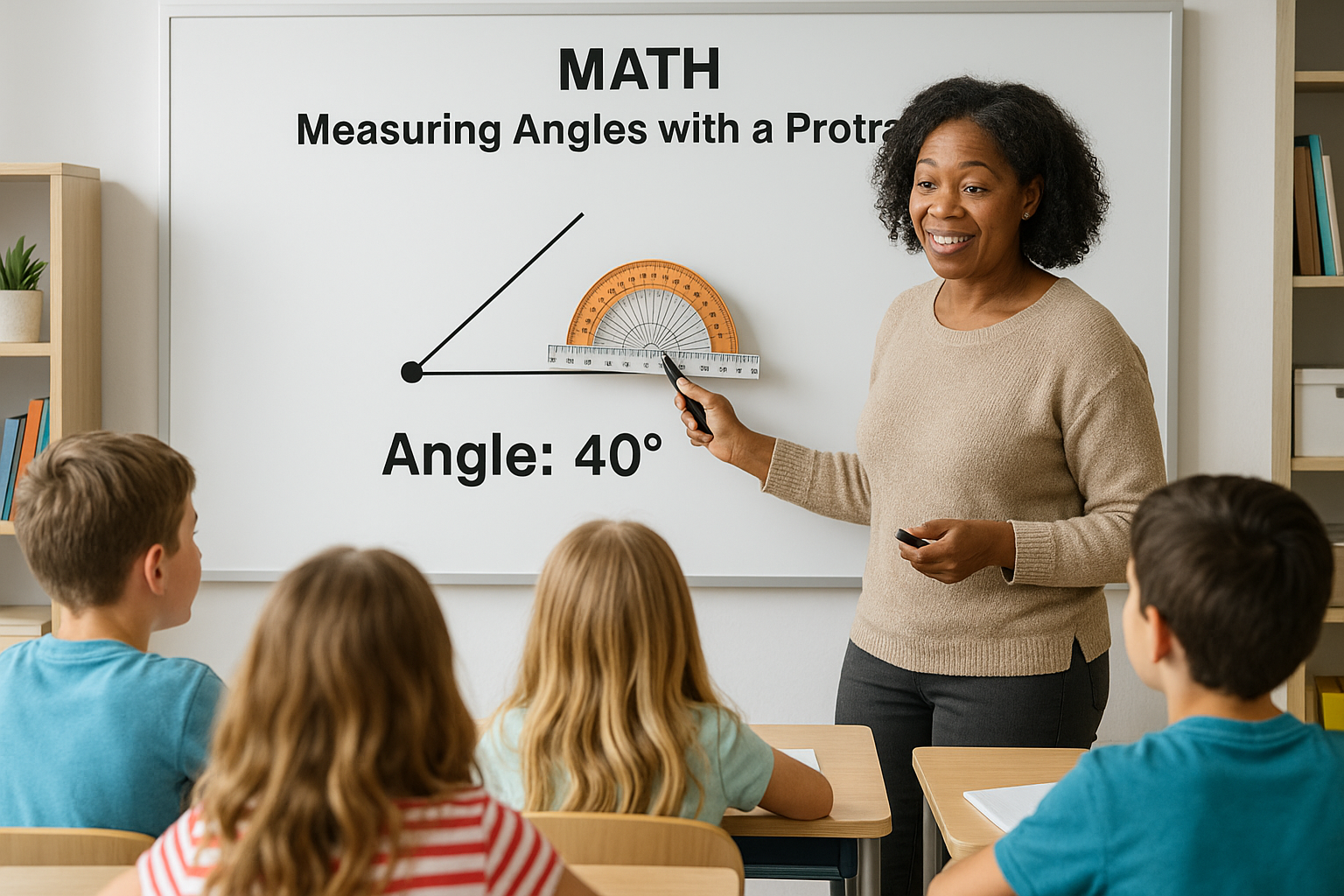
Teaching students to measure and sketch angles with a protractor is an essential part of developing their understanding of geometry. In this post, we’ll explore step-by-step strategies to help students measure and draw angles accurately and confidently using a protractor, with ready-to-use resources for practice.
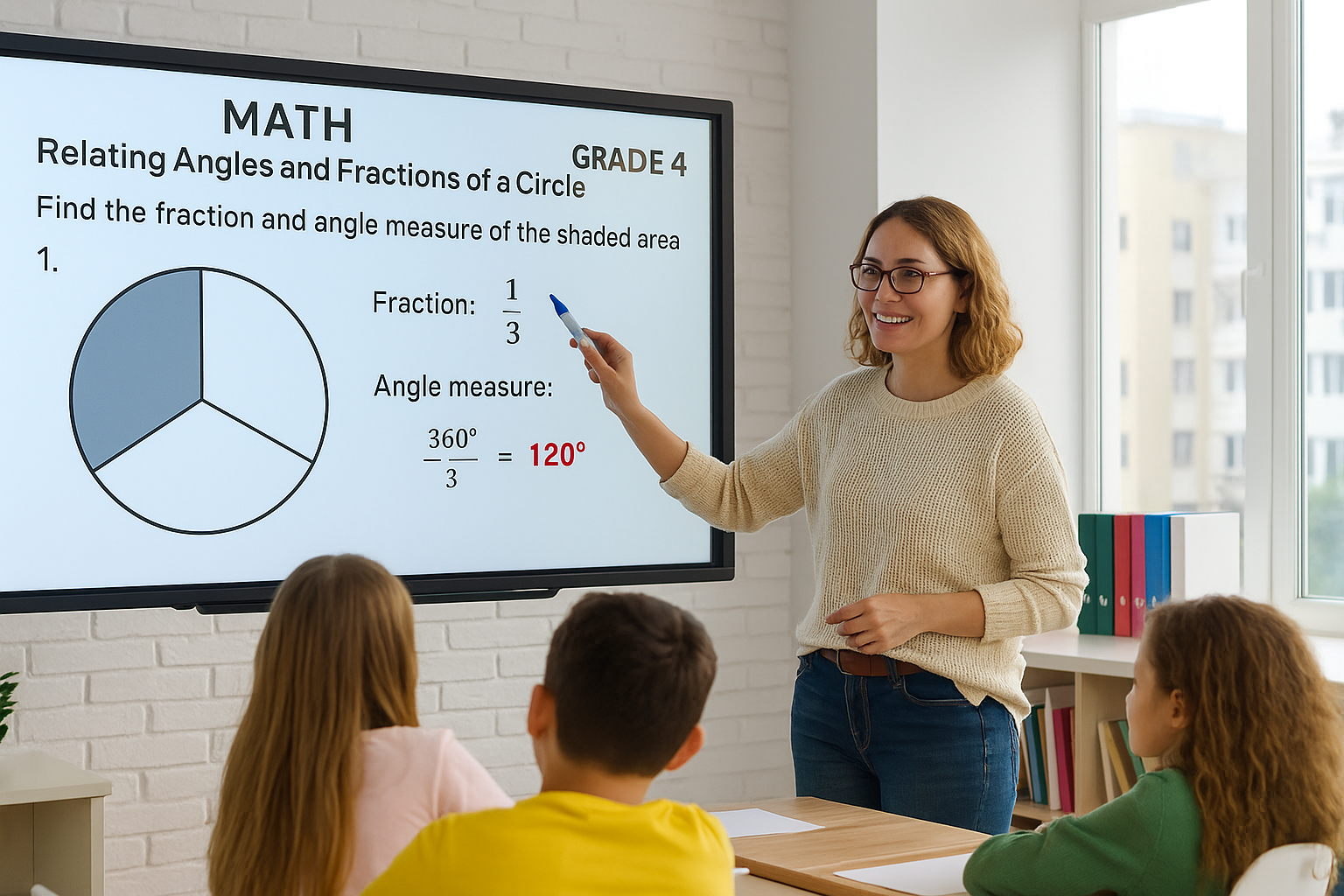
Teaching angle measurement is an exciting way to help students see geometry in action. In this post, we’ll explore how to teach the concepts of angle measurement effectively using clear visuals, hands-on practice, and engaging no-prep resources to reinforce understanding.
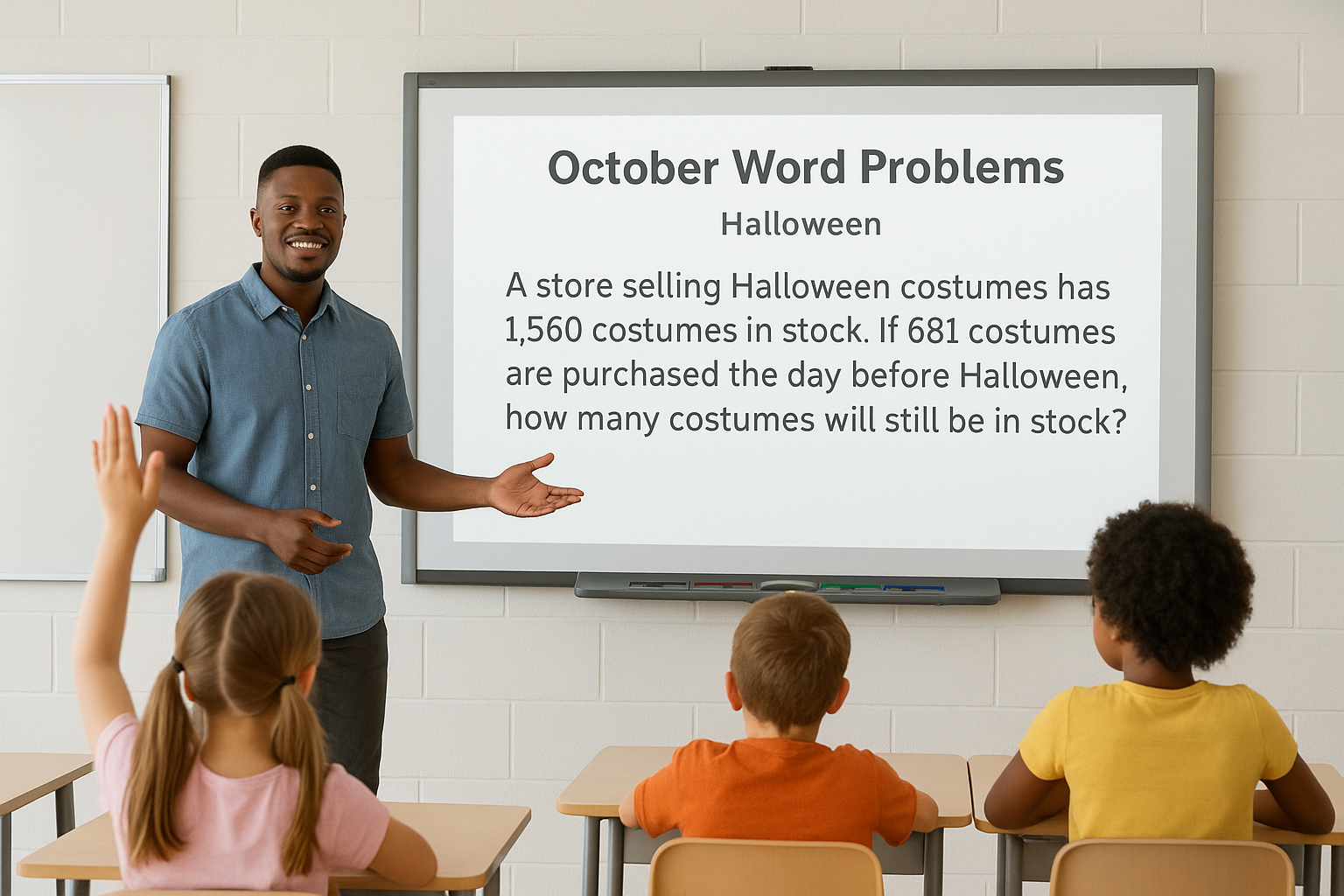
October-themed word problems are a great way to bring the spirit of the season into your math lessons. From Fire Prevention Week and Fall Festivals to Halloween themes, October offers plenty of meaningful, real-world contexts for problem-solving. Let’s explore how these word problem themes can boost your students’ skills and excitement for math this month!

Line plots are one of those math topics that blend data, number sense, and visual reasoning beautifully. In this post, we’ll explore how to teach line plots effectively, from whole numbers to fractions, with strategies, engaging activities, and ready-to-use classroom tools to support student success.
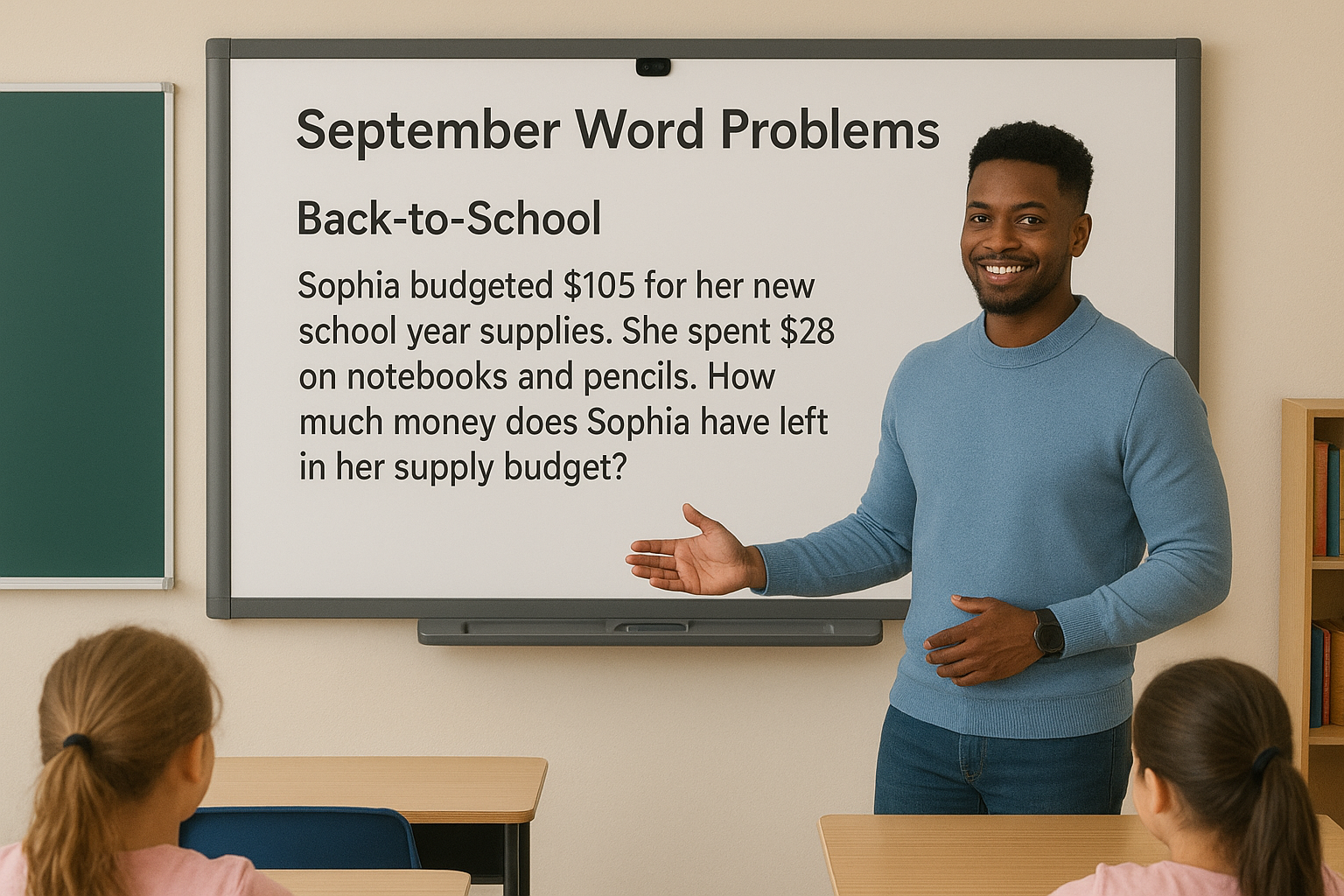
September-themed word problems are a great way to bring that back-to-school energy into your math lessons. From Labor Day and Back-to-School routines to Fall Harvest themes, September offers plenty of meaningful, real-world contexts for problem-solving. Let’s explore how these word-problem themes can boost your students’ skills and excitement for math this month!

Teaching area and perimeter is one of the most practical ways to show students how math connects to the real world. In this post, we’ll explore effective strategies, engaging activities, and classroom tools that make teaching area and perimeter clear, fun, and meaningful.
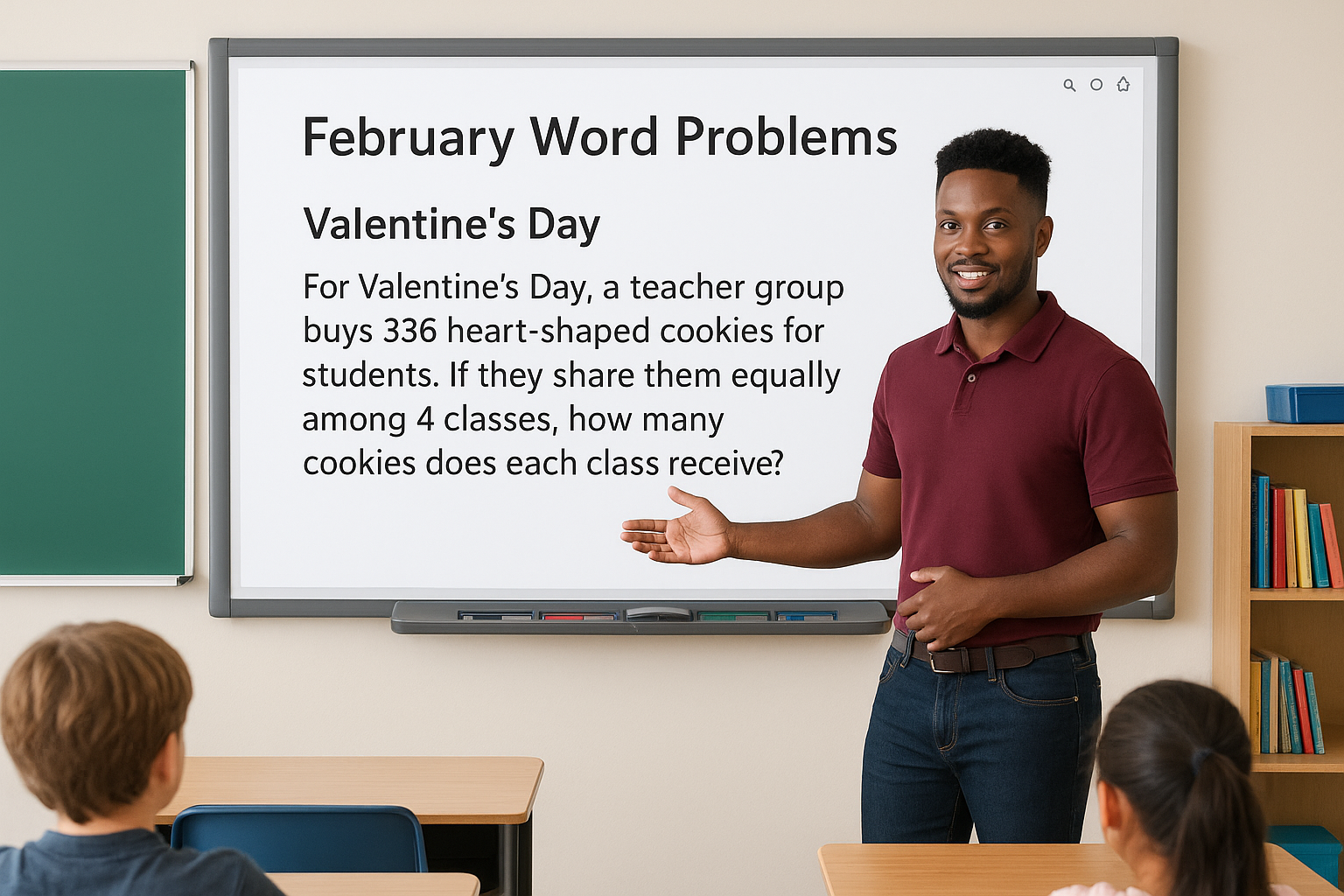
February-themed word problems are a great way to bring the spirit of the month into your math lessons. From Valentine’s Day to Black History Month themes, February offers many meaningful, real-world contexts for problem-solving. Let’s explore how these themes can boost your students’ skills and excitement for math this month!
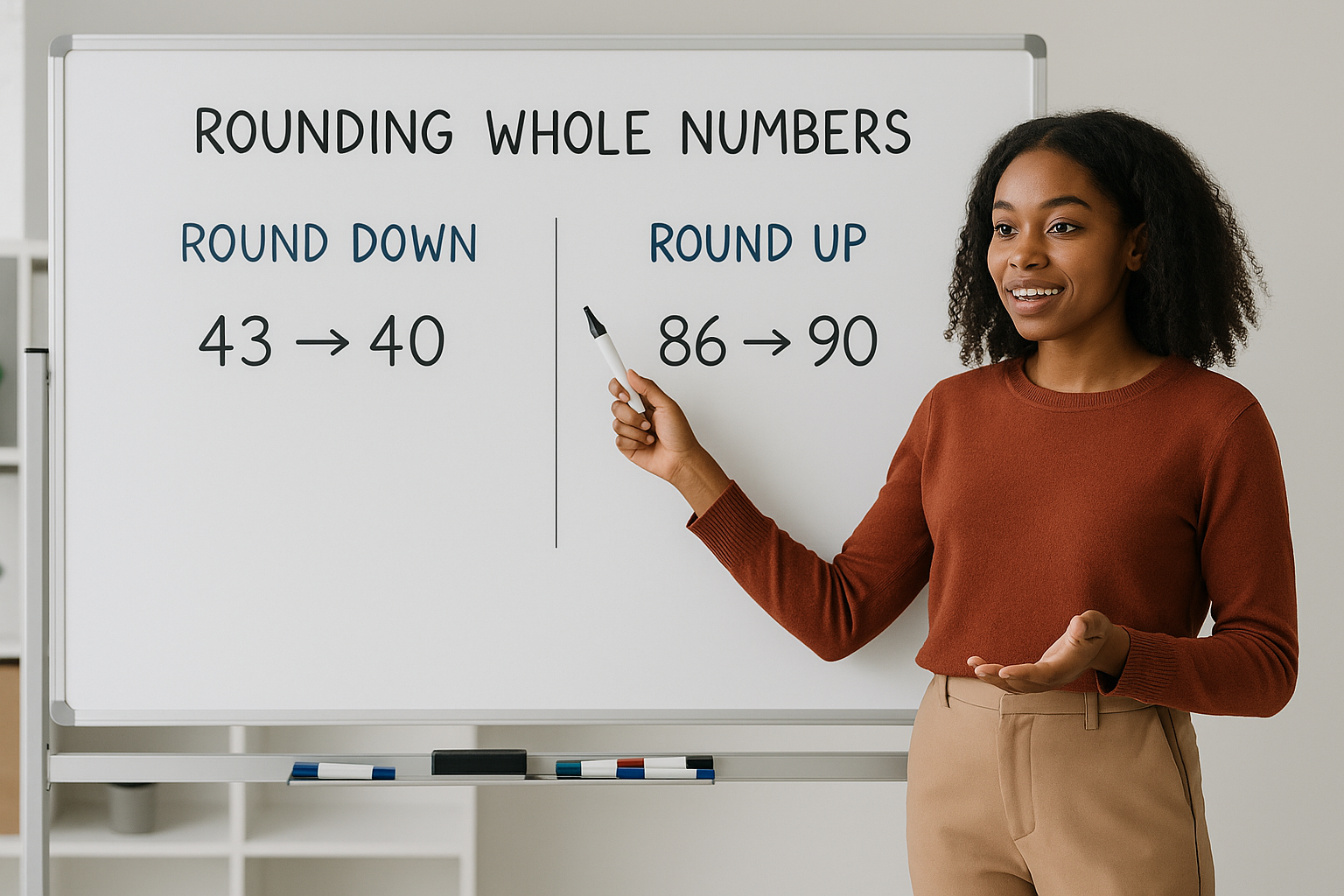
Rounding whole numbers can be one of those skills that seem simple until you try to explain why 347 rounds to 300 and not 400. In this post, we’ll explore how to teach rounding whole numbers step-by-step, engaging strategies, common misconceptions, and ready-to-use classroom tools to make your lessons smoother and more effective.
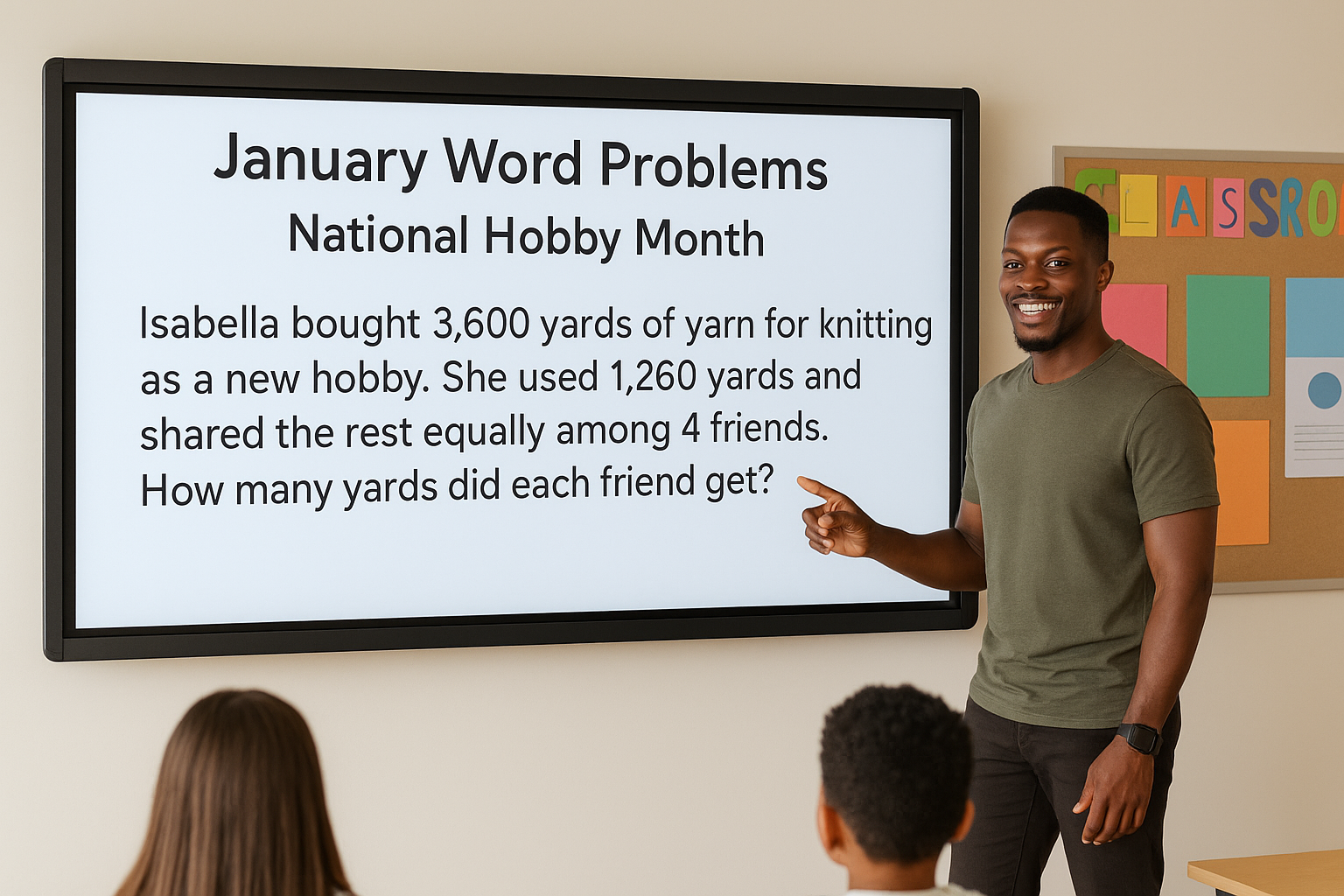
January-themed word problems are a great way to bring the energy of new beginnings into your math lessons. From New Year celebrations to National Hobby Month, January offers plenty of engaging, real-world contexts for problem-solving. Let’s explore how these word problem themes can motivate your students and strengthen their math skills this month!
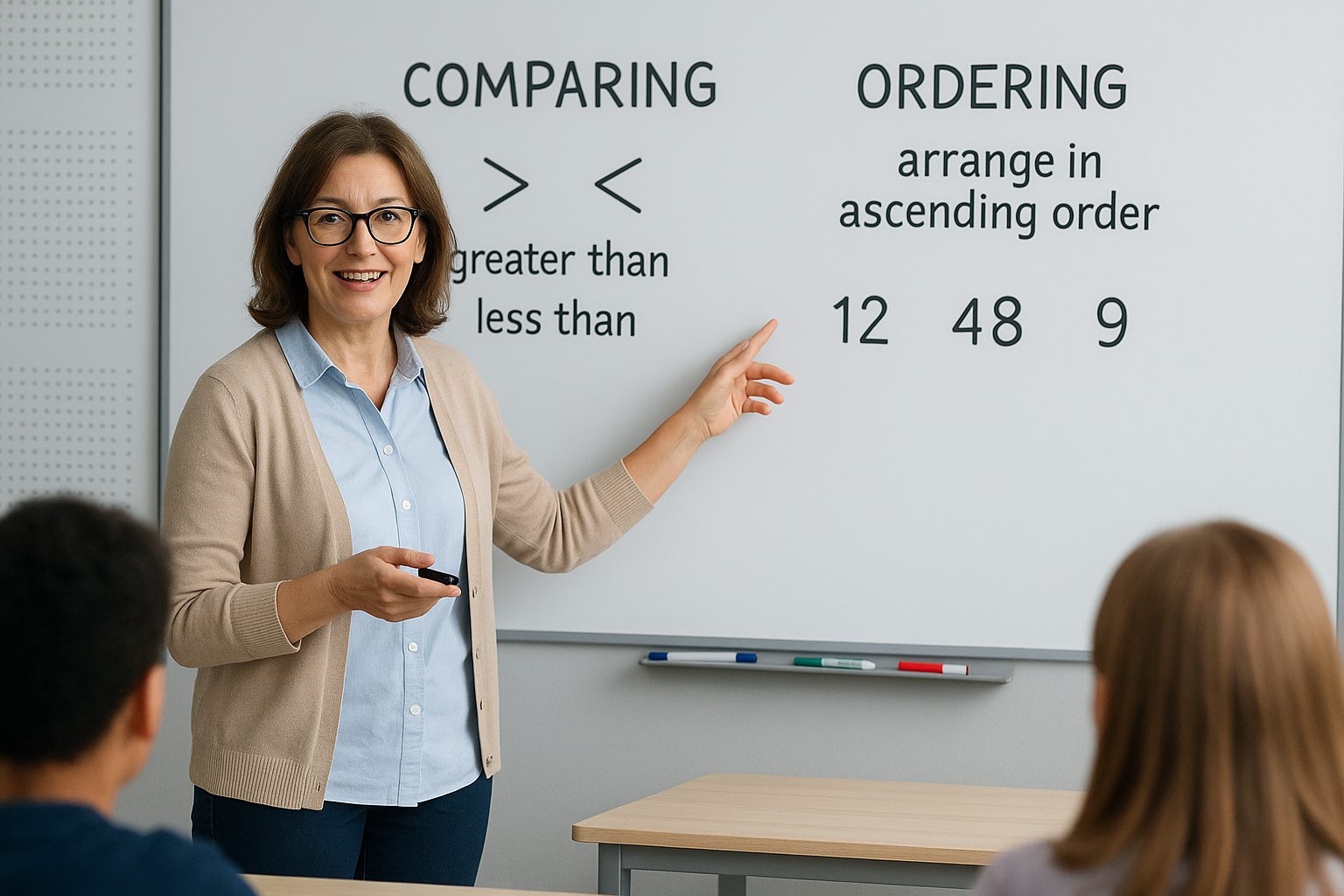
Comparing and ordering whole numbers is a fundamental part of understanding place value. In this post, we’ll explore how to teach comparing and ordering multi-digit whole numbers effectively, using place value strategies, classroom visuals, and differentiated practice activities that strengthen understanding for all learners.
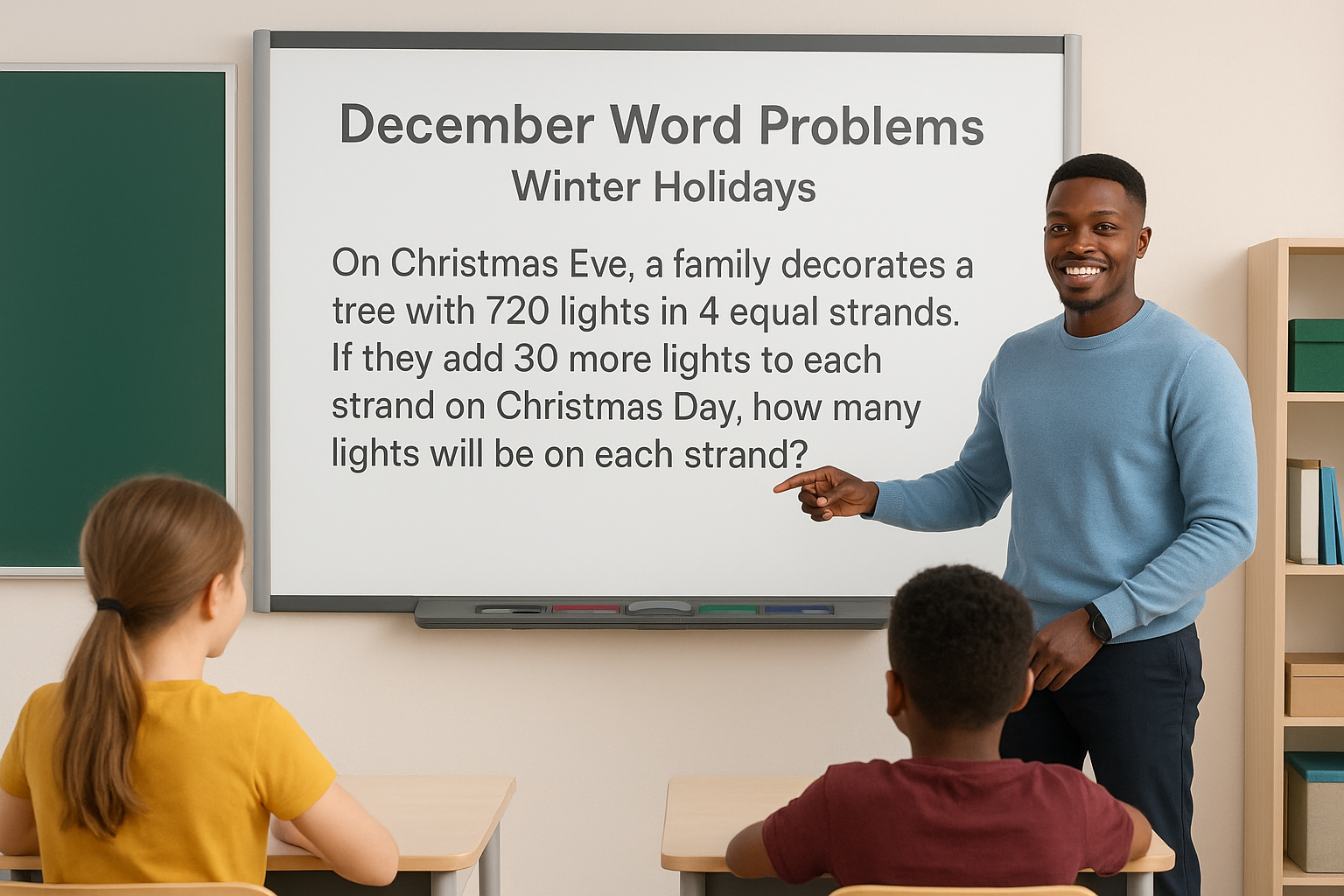
Monthly-themed word problems are a great way to bring the spirit of the season into your math lessons. From Winter Break and Holiday Foods to Winter Sports, December offers plenty of meaningful, real-world contexts for problem-solving. Let’s explore how these fun and educational word problem themes can boost your students’ skills and excitement for math this month!

Prime and composite numbers are more than just math vocabulary terms; they’re essential tools for developing number sense, problem-solving, and critical thinking. In this post, we’ll explore how to teach prime and composite numbers effectively, with strategies, examples, and ready-to-use classroom tools to make learning engaging.
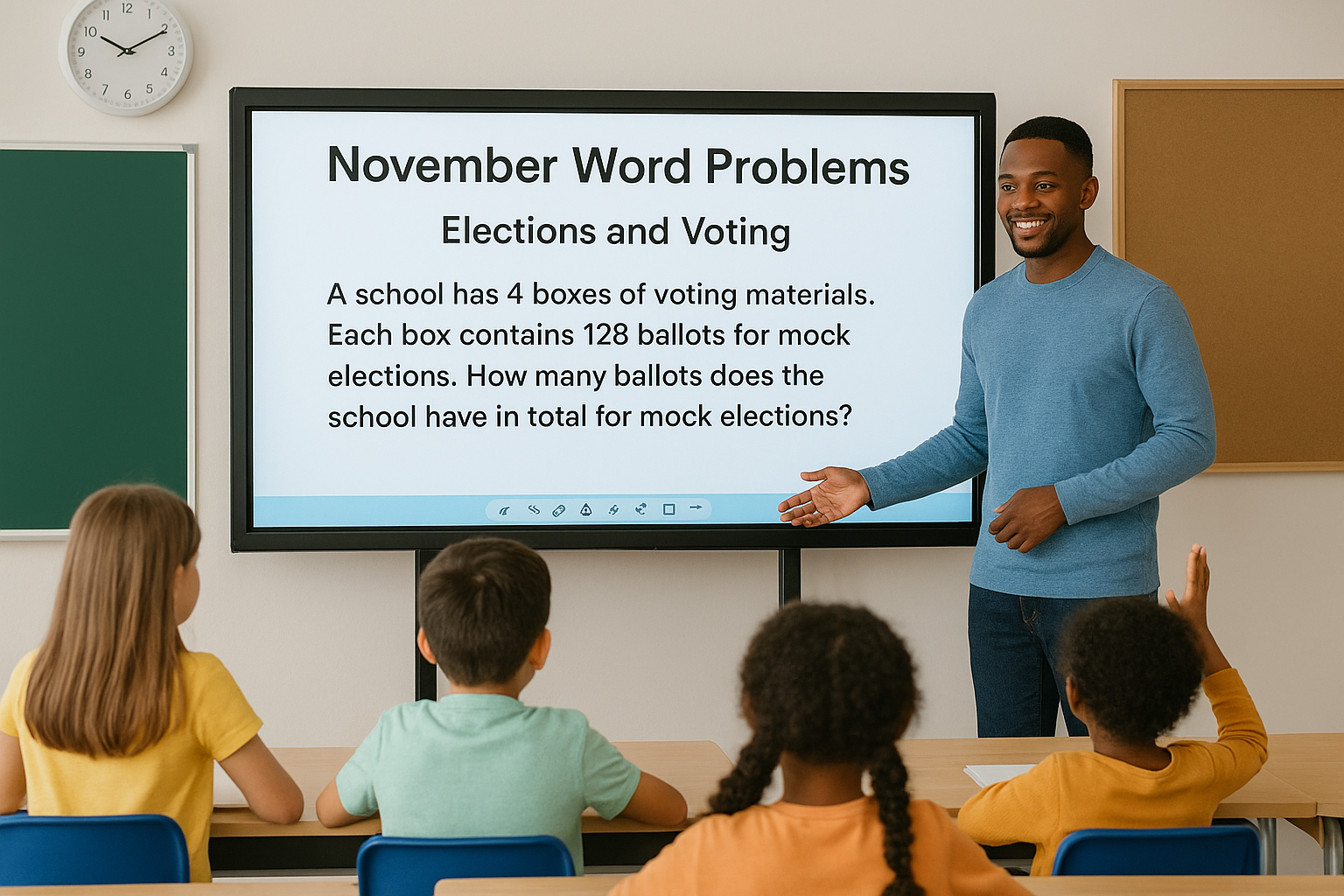
Monthly-themed word problems are a great way to bring the spirit of the season into your math lessons. From Elections and Veterans Day to Thanksgiving, November offers plenty of meaningful, real-world contexts for problem-solving. Let’s explore how these fun and educational word problem themes can boost your students’ skills and excitement for math this month!