DNA stores genetic information, but the information stored in DNA must be used by the cell. RNA plays an important role in this process, and its different forms help carry information and support the production of proteins.
From DNA to RNA
In the previous article, we looked closely at DNA. We saw how its nucleotides form two strands, how those strands twist into a double helix, and how DNA is packaged inside the cell.
DNA is responsible for storing genetic information. But storing information is only part of the process. The cell also needs a way to use that information.
This is where RNA, or ribonucleic acid, becomes important.
RNA helps use the information stored in DNA to produce proteins. It also has other roles.
In some viruses, RNA serves as a carrier of genetic information. RNA can also act as a catalyst in biochemical reactions.
RNA therefore has more than one job, and different types of RNA are suited to different functions.
Before looking at those types, it helps to understand the molecule itself.
Where Is RNA Found?
In eukaryotic cells, RNA is usually synthesized in the nucleus and is mainly found in the cytoplasm.
This location is important because different types of RNA carry out different roles in different parts of the cell.
For example, messenger RNA carries genetic information from DNA in the nucleus to ribosomes in the cytoplasm, where it is used for protein synthesis.
The structure of RNA begins with its individual nucleotide units.
What Is an RNA Nucleotide?
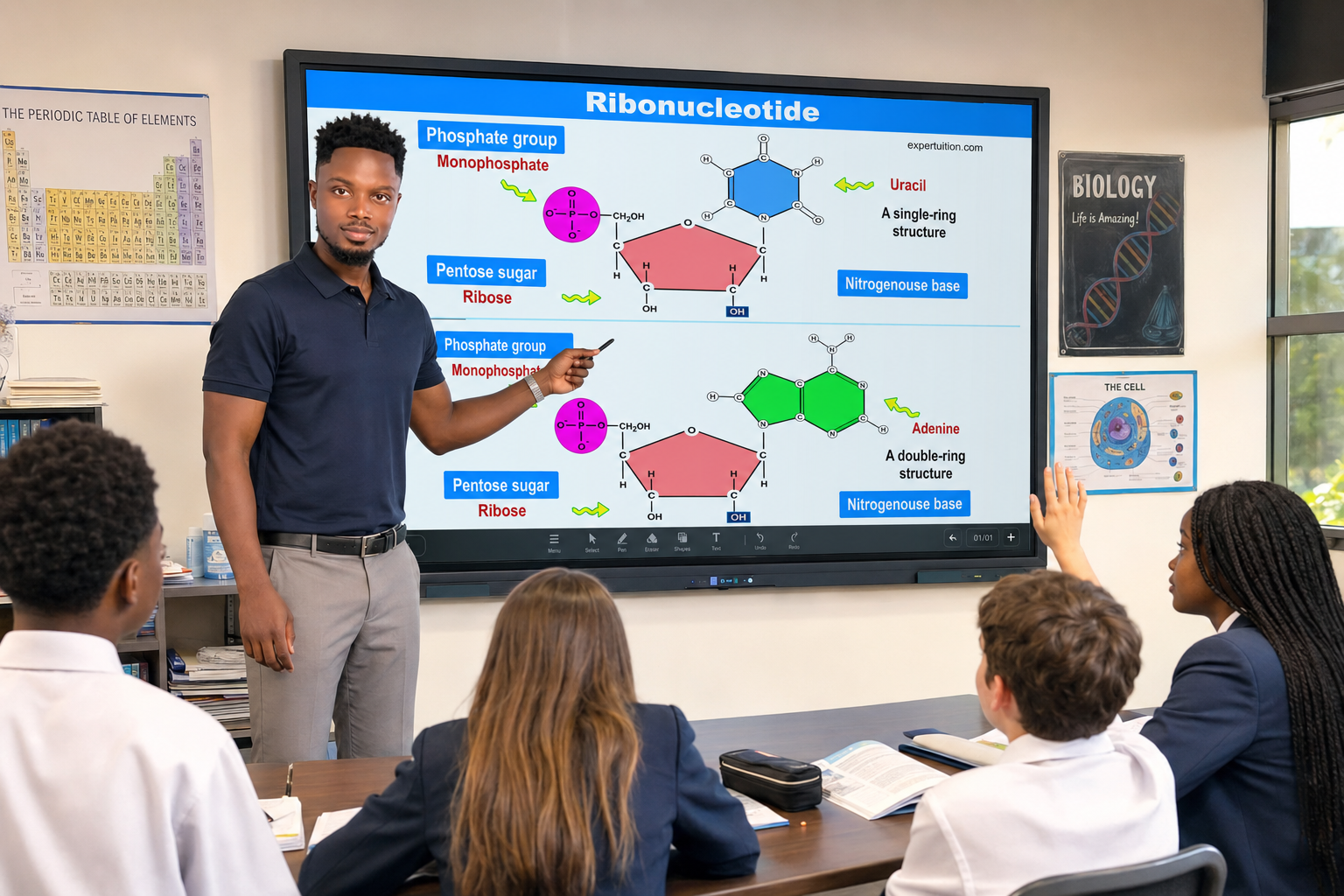
Like DNA, RNA is a polymer made from nucleotides. The nucleotides that make up RNA are called ribonucleotides.
Each ribonucleotide has three parts: a five-carbon ribose sugar, a nitrogenous base, and a phosphate group.
RNA contains four different nitrogenous bases: adenine (A), uracil (U), cytosine (C), and guanine (G).
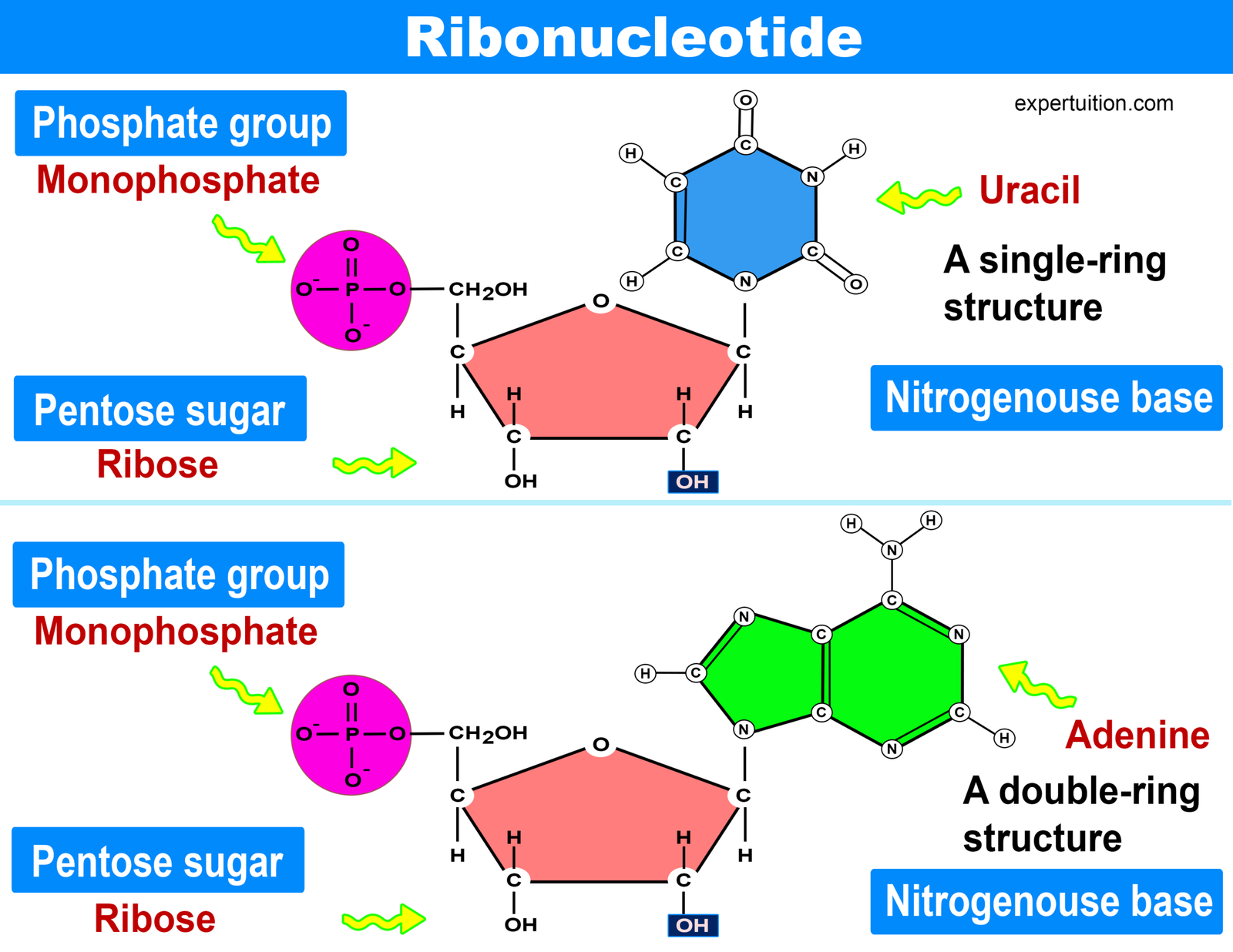
The presence of ribose and uracil helps distinguish RNA from DNA. DNA contains deoxyribose and thymine, while RNA contains ribose and uracil.
These small differences are part of what gives RNA its own structure and properties.
But how is RNA built?
RNA Molecule: How the Nucleotides Connect
The nucleotides in an RNA molecule are joined together by phosphodiester bonds.
A phosphodiester bond forms between the 3′ carbon atom of one sugar molecule and the 5′ carbon atom of another sugar molecule.
This joining of many nucleotides produces a long RNA chain.
RNA is generally a single-stranded polynucleotide chain. This is one of the features that distinguishes it from DNA, which is double-stranded.
However, single-stranded does not mean that an RNA molecule must always remain completely straight or unfolded.
Some RNA molecules contain self-complementary sequences. These sequences can pair with one another within the same RNA chain. This is called intrachain base pairing, and it can cause the RNA chain to fold and form double-stranded structures in parts of the molecule.
So, although RNA is generally single-stranded, parts of an RNA molecule can form paired structures as the chain folds.
Also, RNA is not just one type of molecule doing one job.
There are three main types of RNA, and each has a different role.
The Three Main Types of RNA
The three main types of RNA are messenger RNA (mRNA), ribosomal RNA (rRNA), and transfer RNA (tRNA).
Their names may seem similar at first, but each type has a different job.
One carries genetic information. Another makes up a large part of the machinery involved in protein synthesis. The third brings specified amino acids to the ribosome.
Together, these different types of RNA play important roles in using genetic information.
Messenger RNA Carries the Information
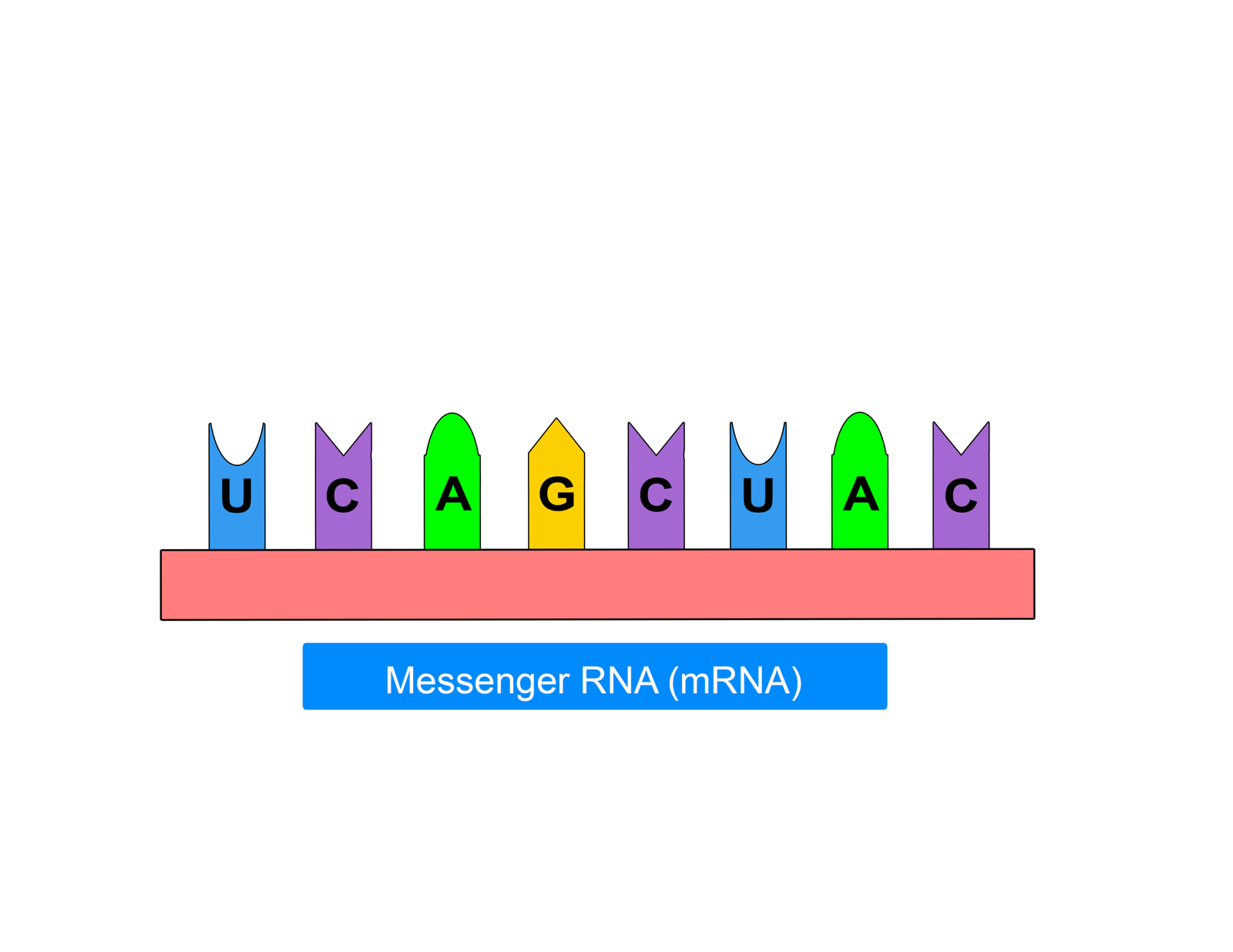
Messenger RNA, or mRNA, carries genetic information from DNA to the ribosomes for protein synthesis.
Its role is closely connected to the information stored in DNA. The information in DNA needs to reach the ribosomes, and mRNA carries that information.
The way mRNA is produced and used differs between prokaryotic and eukaryotic cells.
In a prokaryotic cell, mRNA produced from DNA can be used to synthesize a single protein or more than one protein. An mRNA that carries information used to synthesize more than one protein is described as polycistronic.
In a eukaryotic cell, the process begins with the production of a precursor mRNA from DNA. This precursor mRNA is then processed to produce a mature and functional mRNA. A mature eukaryotic mRNA generally carries information for synthesizing a single protein and is described as monocistronic.
So, mRNA serves as the carrier of genetic information that moves information from DNA toward the ribosomes, where protein synthesis takes place.
But mRNA does not work alone.
Ribosomal RNA Helps Form the Ribosome
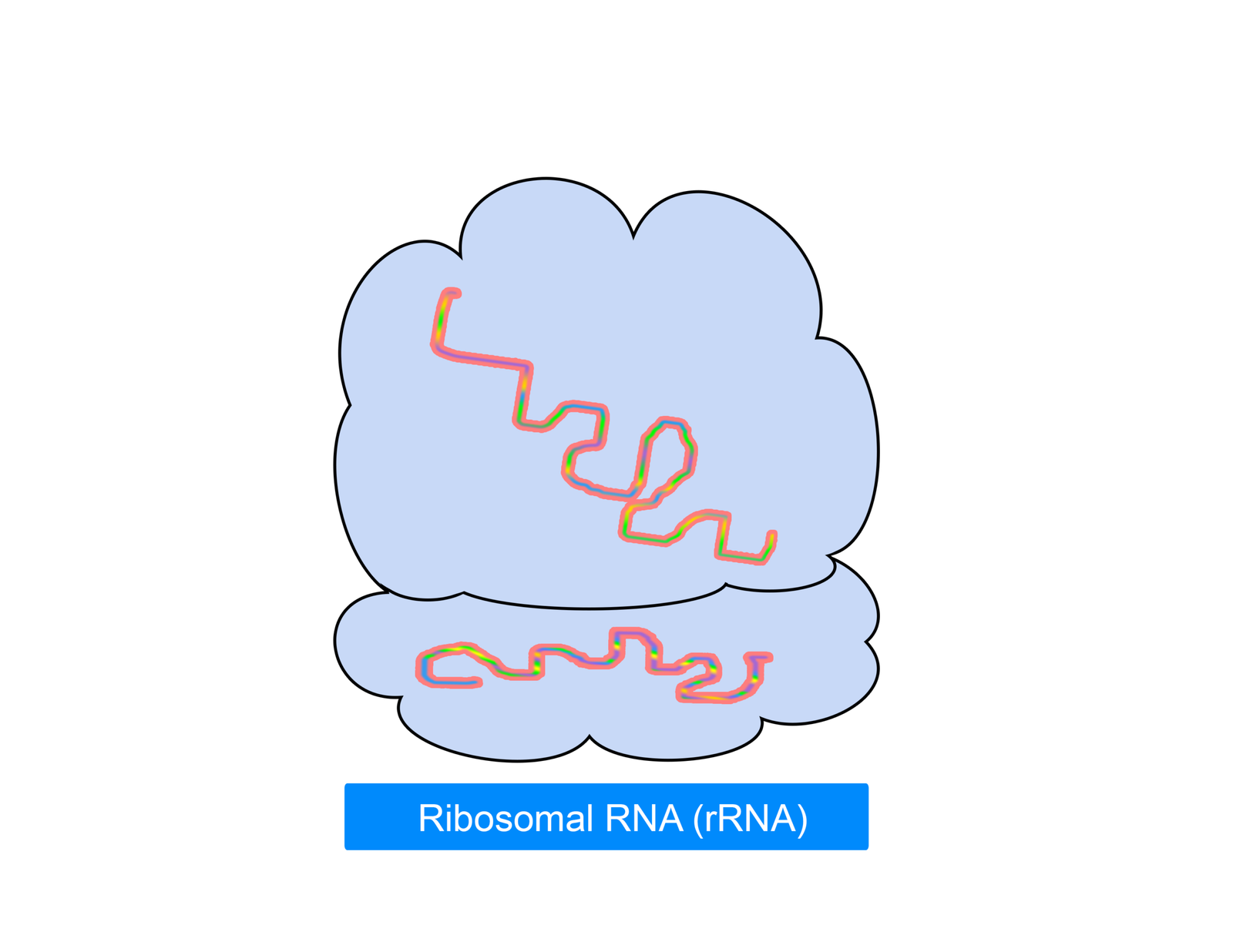
Ribosomal RNA, or rRNA, makes up a large part of the ribosome, the cell machinery responsible for synthesizing proteins.
rRNA combines with special types of proteins to form ribosomes. It also contributes to the three-dimensional structure of the ribosome.
But rRNA has more than a structural role. It also catalyzes the formation of peptide bonds during protein synthesis.
This means rRNA is an important part of the machinery involved in building proteins.
While mRNA carries the genetic information and rRNA forms an important part of the ribosome, another type of RNA helps bring the materials needed to make the protein.
Transfer RNA Brings Amino Acids to the Ribosome
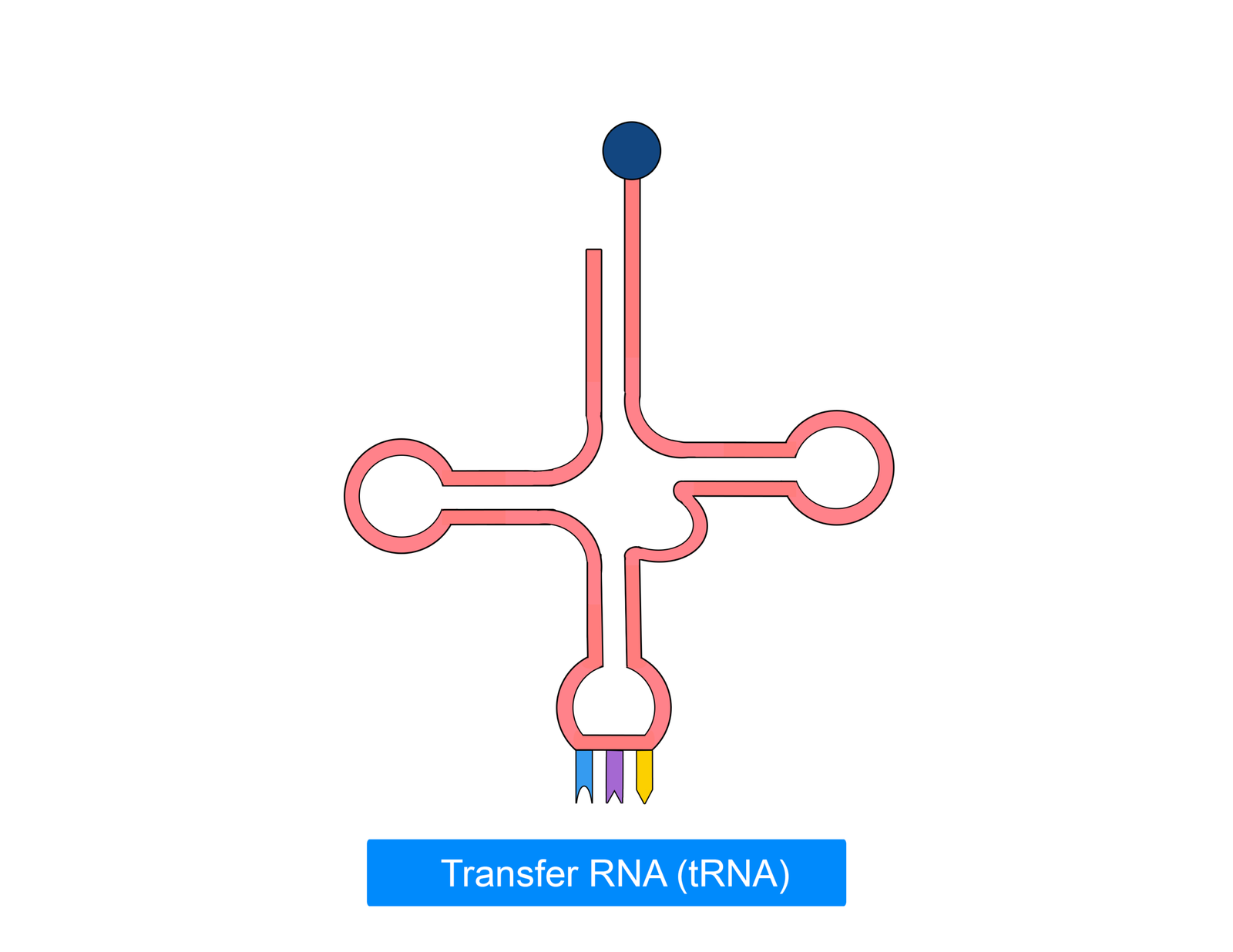
Transfer RNA, or tRNA, brings specified amino acids from the cytoplasm to the ribosomes.
The amino acids are then linked together to form proteins.
Each amino acid has at least one tRNA molecule made specifically to carry it to the ribosome.
This gives tRNA a very different role from mRNA and rRNA.
Instead of carrying genetic information or forming a major part of the ribosome, tRNA helps bring the specified amino acids to the place where they are linked to form proteins.
How Do the Three Types of RNA Work Together?
The three main types of RNA have different jobs, but their roles are connected.
mRNA carries genetic information from DNA to the ribosome.
rRNA combines with proteins to form the ribosome and helps the ribosome carry out protein synthesis.
tRNA brings specified amino acids to the ribosome, where they are linked to form proteins.
Together, these three types of RNA help the cell use the information stored in DNA to produce proteins.
The information comes from DNA. mRNA carries that information to the ribosome, rRNA provides a major part of the protein-synthesis machinery, and tRNA brings the specified amino acids needed to build the protein.
Bringing the Nucleic Acids Series Together
DNA and RNA are both nucleic acids made from nucleotides, but their structures and functions are different.
DNA stores genetic information, while RNA helps use that information to produce proteins. RNA can also serve as genetic material in some viruses and act as a catalyst in biochemical reactions.
RNA is generally single-stranded and contains ribose and uracil. Its three main types, mRNA, rRNA, and tRNA, have different but connected roles in the use of genetic information and the production of proteins.
Together, these three articles have taken us from the basic structure of nucleic acids to the structure and packaging of DNA, and finally to the structure, types, and functions of RNA.
Nucleic acids → DNA and RNA → DNA structure → DNA packaging → RNA structure → RNA types and functions
This progression provides a foundation for understanding how genetic information is stored and how cells use that information.
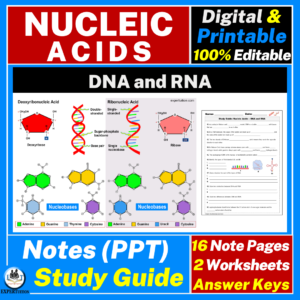
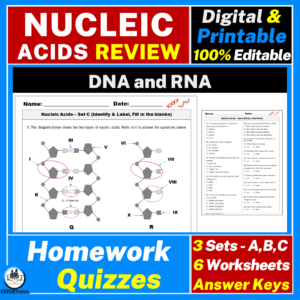
For teachers, the editable PowerPoint and PDF/study guide that accompany this material can provide a convenient way to present or review these concepts with students. The accompanying review/assessment can then give students the opportunity to review the ideas and check their understanding of nucleic acids.
Nucleic Acids Resources